


Are Smart Rings Worth It? A Cost-Benefit Analysis
Share
Quick Summary
- Smart rings may be worth it if you want discreet, screen-free health tracking.
- They are especially useful for sleep tracking, heart rate monitoring, stress insights, and daily wellness trends.
- They may not be worth it if you need a screen, live notifications, workout controls, GPS, or advanced smartwatch features.
- Some smart rings cost hundreds of dollars and may require monthly subscriptions.
- Life Ring fits the more accessible category at $99.99 with no subscription fees, according to its current product page. Life Ring fits the more accessible category at $99.99 with no subscription fees.
- The best choice depends on whether you value comfort, simplicity, and passive tracking over smartwatch-style interaction.
Are Smart Rings Worth It?
Short Answer
Smart rings deliver clear value for individuals who want comfortable wellness tracking without wearing a bulky wristwatch. They focus on screen-free health monitoring rather than active communication or GPS navigation.
What Does a Smart Ring Actually Do?
Core Smart Ring Features
Smart rings collect biometric data passively throughout the day and night. Internal sensors continuously gather baseline health signals:
- Continuous heart rate monitoring
- Heart rate variability (HRV) metrics
- Overnight sleep quality analysis
- Daily stress indication
- Skin temperature fluctuations
- Blood oxygen level checks
- General movement and step tracking
Life Ring Feature Angle
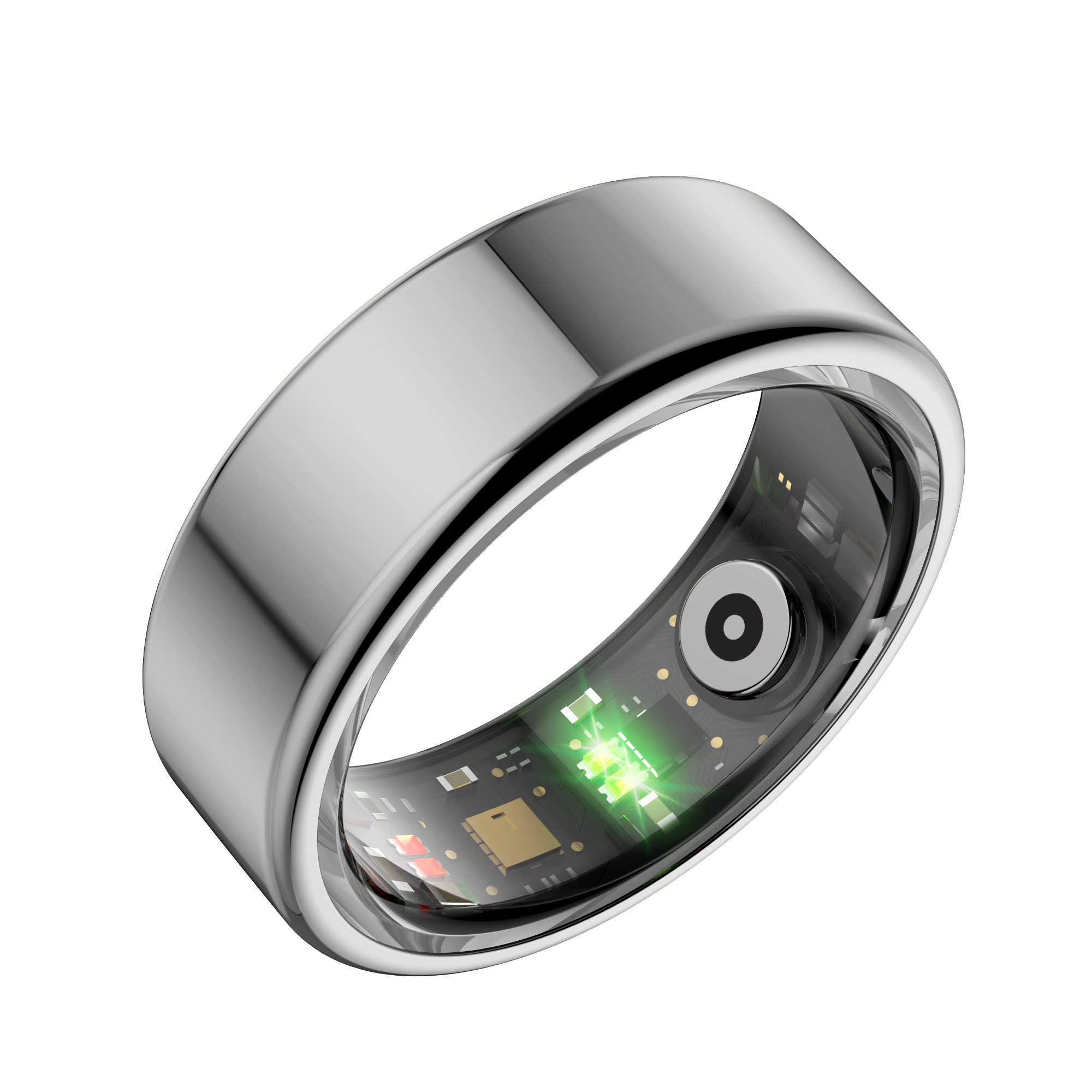
Life Ring gathers these insights using precision hardware, consisting of a 3D accelerometer, a dedicated temperature sensor, and a photoplethysmography (PPG) optical sensor.
Health data syncs directly to a mobile app, keeping software features unlocked without paywalls or hidden costs.
The Main Benefits of Smart Rings
1. Comfortable Sleep Tracking
Smart rings present a far more comfortable option for overnight health tracking than traditional wristwatches. These devices feature a jewelry-inspired design, without bulky screens and thick bands, that eliminates wrist tightness and pressure points during sleep.
Published medical research indexed by the National Institutes of Health highlights that consumer wearables provide comfortable, non-invasive sleep monitoring in home environments.
The compact ring form factor maintains consistent skin contact, allowing reliable sensor readings throughout the night.
2. Discreet Everyday Wear
Smart rings blend into daily life because they look like standard fashion accessories rather than tech hardware. Their subtle design makes them appropriate for professional offices, formal events, travel, or casual outings.
3. Passive Health Tracking
Collecting metrics silently in the background removes the burden of manual logging. Sensors record biological baseline data continuously without requiring active user input.
4. Longer Battery Life Than Many Screen-Based Wearables
Without the power draw of an illuminated touchscreen display, smart rings achieve impressive efficiency between charges. Life Ring operates for up to 7 days on a single charge, allowing continuous day-and-night tracking without frequent battery anxiety.
5. No Screen Distractions
Removing touchscreens and wrist vibrations promotes better digital boundaries. Individuals can monitor personal wellness trends without dealing with constant message pop-ups or screen glare throughout the workday.
The Costs of Smart Rings
Upfront Hardware Cost
Smart ring pricing varies widely across the wearable tech market. Premium devices often cost between $300 and $600+, making the initial hardware investment a major barrier for many buyers.
In contrast, Life Ring fits into an accessible price tier at $99.99, offering flexible financing options like four payments of $25.00$24.99 through Shop Pay.
Subscription Costs
Many popular smart ring brands charge monthly subscription fees to unlock detailed health reports or long-term data trends.
Over several years, recurring software payments significantly increase the total cost of ownership. Life Ring avoids recurring fees entirely by granting full access to companion app features without subscriptions or hidden costs.
Fit and Sizing Costs
Getting an accurate fit presents a unique challenge for smart ring owners compared to smartwatch users. Because ring sizes cannot adjust dynamically like flexible watch straps, several physical factors influence daily wearing comfort:
- Ambient temperature shifts
- Fluid retention changes
- Initial sizing errors
Peripheral extremity blood flow and skin temperature fluctuate significantly based on environmental conditions.
Cold environments cause blood vessels to constrict and fingers to shrink, while warm conditions or exercise lead to natural finger expansion. Selecting the correct size using a dedicated sizing kit helps ensure reliable sensor contact during ambient climate changes.
Smart Ring Cost vs. Value: What Are You Paying For?
You Are Paying For Convenience
Smart ring buyers invest in frictionless health monitoring. These devices capture essential biological signals throughout the day and night without requiring a heavy piece of hardware on the wrist.
You Are Paying For Comfort
The primary value proposition for many owners comes down to overnight wearability. A smooth ring casing eliminates skin irritation and bulk that often make wristwatches hard to wear while sleeping.
You Are Paying For Simplicity
Smart rings intentionally offer less direct interaction than smartwatches. Eliminating touchscreens and constant wrist vibrations creates a calmer user experience focused purely on health awareness rather than screen engagement.
You Are Paying For Long-Term Tracking
The true value of a smart ring accumulates over weeks and months of continuous wear. Consistent daily tracking allows software algorithms to establish baseline biological patterns and surface meaningful trend changes over time.
Long-term consistency in sleep and activity patterns directly correlates is associated with better cardiovascular and overall health outcomes.
When a Smart Ring Is Worth It
You Want Better Sleep Tracking Comfort
The lightweight ring shape slides under bedding naturally without pulling on wrist skin or causing nighttime pressure points.
You Want Health Data Without a Screen
Biometrics record quietly in the background without constant alert interruptions or intrusive wrist vibrations.
You Prefer Minimalist Wearables
The ring casing coordinates easily with business attire, formal wear, and standard jewelry.
You Want a Subscription-Free Option
Avoiding ongoing software charges keeps long-term ownership simple and cost-effective over years of use.
You Want Basic Wellness Trends
Consistent daily wear helps track essential biological baselines without overcomplicating data presentation.
When a Smart Ring May Not Be Worth It
You Need a Screen
Smart rings do not include digital displays. They cannot show digital clocks, text messages, app alerts, or interactive touch dashboards.
You Want Advanced Workout Controls
A dedicated smartwatch serves fitness enthusiasts better when workouts require active monitoring, supportingmonitoring because it provides built-in GPS mapping, live pace tracking, and music control.
You Lift Weights Often
Heavy weightlifting presents unique challenges for smart ring owners. Friction between hard metal barbells or dumbbells can scratch the ring casing.
It’s not advisable to wear smart rings during heavy strength training due to equipment friction and potential grip interference.
You Are on a Very Tight Budget
While budget-friendly smart rings cost significantly less than flagship smartwatches, they still represent a higher financial commitment than basic entry-level fitness bands. Buyers seeking simple step counting on an extreme budget may prefer traditional band options.
Smart Ring vs. Smartwatch: Which Gives Better Value?
|
Feature |
Smart Ring |
Smartwatch |
|
Sleep comfort |
High, smooth profile |
Can feel bulky overnight |
|
Screen |
None |
Bright digital display |
|
Notifications |
Smartphone app only |
Real-time wrist alerts |
|
Workout controls |
Passive background recording |
Interactive, live metrics |
|
Battery life |
Often longer |
Usually shorter |
|
Discreet design |
Blends with everyday jewelry |
Clearly visible tech accessory |
|
Best use |
Passive, continuous wellness tracking |
Interactive fitness and communication |
Why Life Ring May Be Worth Considering
Accessible Price Point
Life Ring enters the wearable market at $99.99 USD, offering a far more accessible entry price than many premium smart rings that cost hundreds more.
No Subscription Fees
While several smart ring brands lock detailed reports behind monthly paywalls, Life Ring provides completeaccess to its health insights with zero ongoing costs.
Everyday Wellness Features
Compatible with both Apple and Android smartphones, the waterproof device delivers continuous biometric monitoring, up to 7 days of battery life, and straightforward app management.
A Balanced Choice
Life Ring serves as a practical, cost-conscious choice for individuals who want accurate core wellness tracking without paying premium brand markups or recurring monthly memberships.
Cost-Benefit Checklist Before Buying a Smart Ring
Ask Yourself These Questions
- Is comfortable sleep tracking without a watch a priority?
- Is passive health data preferred over constant live notifications?
- Is managing health trends inside a smartphone app convenient?
- Are active workout features like GPS unnecessary?
- Is avoiding monthly subscription fees essential?
- Will wearing a ring every day become a regular routine?
Common Mistakes Smart Ring Buyers Make
Expecting Smartwatch Features
Smart rings are engineered specifically for subtle data collection. Expecting full smartwatch functionality leads to disappointment, as smart rings lack touchscreens and wriston-wrist messaging.
Ignoring Fit
Proper fit determines both daily comfort and measurement accuracy. Optical sensors require continuous, snug contact with the finger to capture reliable biometric readings without slipping or pinching.
Forgetting About Subscription Costs
Overlooking ongoing software fees can make an initially affordable wearable expensive over time. Researching subscription requirements upfront prevents unexpected monthly charges.
Buying Only for the Trend
Novelty wears off quickly if the wearable does not support your lifestyle goals. A smart ring offers the most value when integrated into long-term health tracking routines.
Assuming It Is a Medical Device
Consumer wearables provide valuable wellness insights, but they do not replace professional medical equipment or clinical diagnoses.evaluations or diagnostic equipment. Smart rings and watches are general wellness tools rather thanthan substitutes for regulated diagnostic medical devices.
FAQ Section
1. Are smart rings worth it?
Smart rings deliver excellent value for individuals who want comfortable, screen-free health monitoring. They excel at passive tracking throughout the day and night without requiring bulky wrist hardware.
2. What does a smart ring track?
Smart rings monitor essential biological signals passively. Common measurements include heart rate patterns, sleep quality, stress levels, skin temperature trends, daily step counts, and blood oxygen levels.
3. Is a smart ring better than a smartwatch?
Neither device is strictly superior; choice depends entirely on individual priorities.
Smart rings offer greater sleep comfort and longer battery life without screen interruptions, whereas smartwatches provide interactive displays, real-time workout controls, and built-in GPS.
4. Do smart rings require a subscription?
Subscription requirements vary across manufacturers. Certain premium brands charge monthly membership fees to access detailed health analytics, while options like Life Ring grant full access to software insights with no ongoing costs.
5. How much does a smart ring cost?
Hardware prices typically span from $99 up to $600+. Entry-level smart rings begin around $99.99, while high-end devices often cost several hundred dollars alongside recurring software fees.
6. Is Life Ring subscription-free?
Yes, Life Ring operates entirely without monthly software fees or hidden costs, providing full access to health features through its free smartphone app.
Conclusion
Smart Rings Are Worth It for the Right User
Investing in a smart ring makes sense for anyone seeking discreet and continuous health tracking.
The compact ring design provides a seamless way to collect baseline sleep, heart rate, stress, and wellness trends without wearing a heavy watch to bed or dealing with screen distractions.
They Are Less Useful for Screen-Based Needs
Smart rings prove less beneficial for buyers who rely on real-time wrist interactions. Individuals who need instant text notifications, on-wrist GPS routing, or live workout display metrics will find a traditional smartwatch better suited to their routines.
Life Ring’s Main Value Is Cost and Simplicity
Life Ring fills an important role in the wearable space by combining essential biometric tracking with real affordabilityan accessible price point. At $99.99 with no subscription fees, it offers a practical, transparent solution for tracking daily health trends effortlessly.