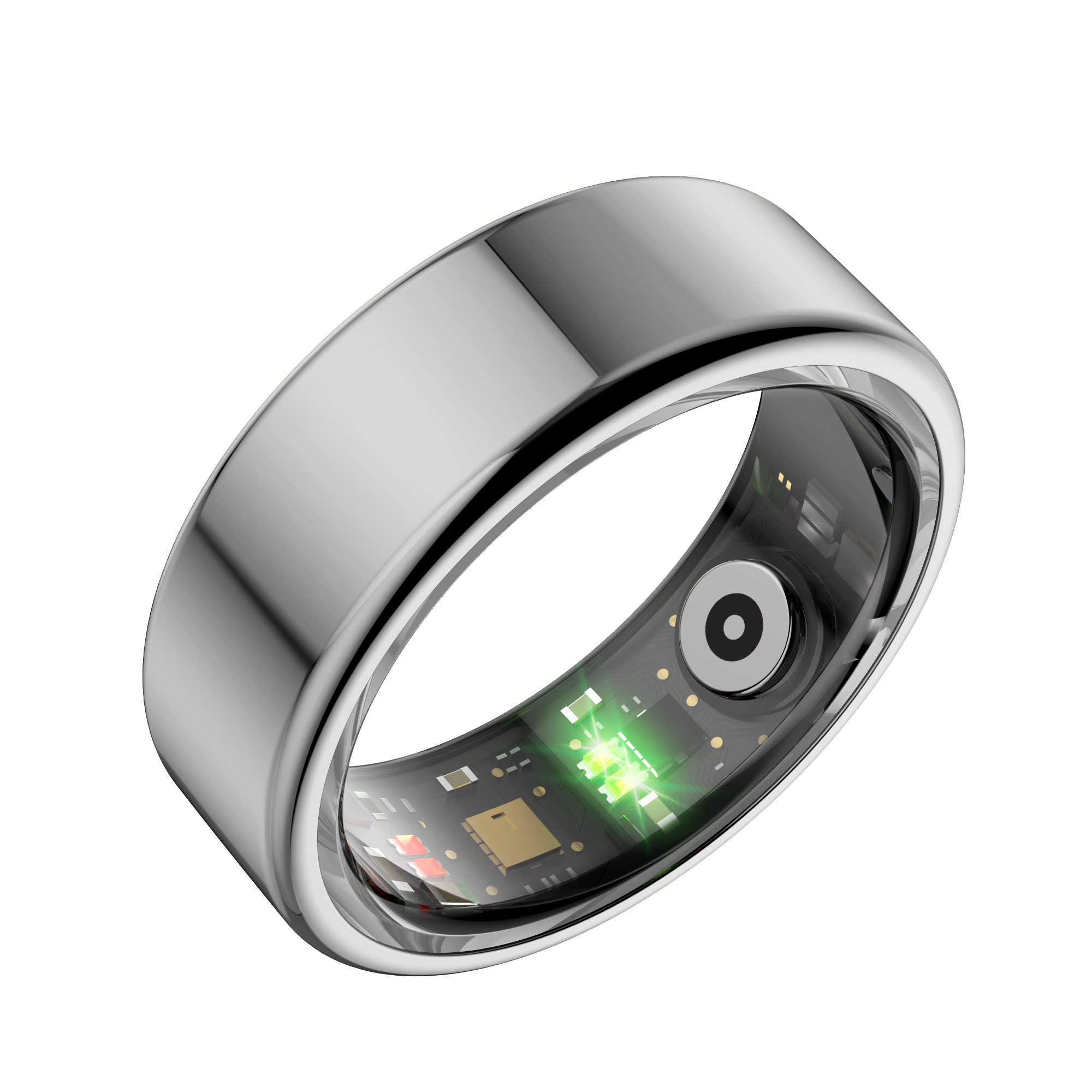



Life Ring For Beginners: Everything You Need To Know Before Your First Wear
Share
Quick Summary
- Your ring should fit snugly without feeling tight.
- Start with one ring before wearing multiple rings.
- Give your finger a little time to adjust.
- Take your ring off during heavy work, exercise, and cleaning.
- Clean your ring once a week with mild soap, lukewarm water, and a soft cloth.
- Check the fit before wearing it for long hours, since finger size changes with heat, cold, and activity.
The first time you wear Life Ring, it should feel comfortable, secure, and easy to live with. Start with the right size, wear it for short daily periods, remove it during risky tasks, and clean it with mild soap and water.
A smart ring works best when it fits well. Poor fit affects comfort and sensor contact, while a tight fit creates pressure. This guide covers sizing, daily wear, care, styling, and beginner mistakes to avoid before your first Life Ring wear.
What Should You Check Before Wearing a Ring for the First Time?
The first thing to check is fit. A ring should slide over your knuckle with light resistance and sit at the base of your finger without pain, numbness, or deep marks.
For a smart ring, the fit also supports better tracking. The Life ring tracks heart rate, sleep, stress, and activity from the finger, while its size guide helps users choose the right fit before wearing it daily.
How Should a Ring Fit on Your Finger?
A good fit feels secure during normal movement. You should turn the ring with your other hand, but it should not spin freely all day.
Avoid these fit problems:
- Ring slides off without resistance.
- Ring leaves deep dents.
- Finger feels numb or cold.
- Ring feels painful after a few minutes.
- Ring rotates so much that sensors lose steady contact.
Finger size shifts during the day. Heat, workouts, salt, and hydration affect swelling. Try your ring at different times before deciding the size feels right.
Which Finger Should Beginners Use First?
Start with the index, middle, or ring finger on the hand where the ring feels most natural. The smart ring works on the index, middle, or ring finger of either hand, as long as it fits securely at the base of the finger.
If you use your hands a lot for lifting, tools, or daily work, start with your non-dominant hand. This reduces knocks, scratches, and early discomfort.
How Many Rings Should a Beginner Wear?
Start with one ring. Once the feel becomes normal, add more only if you still feel comfortable.
If you want to wear multiple rings, keep the first setup simple:
-
One main ring on your non-dominant hand.
-
One slim band on another finger.
-
No heavy statement pieces during the first few weeks.
Stacking rings changes the fit. Wider stacks feel tighter because they cover more finger surface. GIA notes that wider ring shanks often need slightly larger sizing because they fit more snugly.
|
Beginner Choice |
Best For |
What To Watch |
|
One Ring |
First-time comfort and daily tracking |
Check snug fit and skin comfort |
|
Two Rings |
Light styling without bulk |
Avoid fingers that rub together |
|
Stacked Rings |
More visible style |
Size may feel tighter |
|
Statement Ring |
Occasional wear |
Not ideal for first daily wear |
How Long Does It Take to Get Used to Wearing a Ring?
A new ring may feel unusual for the first few days. That does not always mean the size is wrong. Your finger and hand movements need time to adjust.
Wear it for a few hours on day one. Then increase wear time over the next week. If you feel pain, tingling, or pressure marks, remove it and recheck the size.
When Should You Remove Your Ring?
Take it off before:
- Weightlifting.
- Heavy yard work.
- Using tools.
- Cleaning with chemicals.
- Contact sports.
- Moving furniture.
- Sleeping, if it feels tight at night.
Cleveland Clinic explains that ring avulsion injuries happen when a ring catches on equipment or another surface, and people who work around machinery or play contact sports face a higher risk.
How Should You Clean and Care for Your Ring?
Clean your ring with lukewarm water, mild soap, and a soft cloth. For sensor areas or small grooves, use gentle pressure only.
Weekly Cleaning Steps
- Remove the ring.
- Wipe the inside and outside with a soft cloth.
- Use mild soap with lukewarm water.
- Clean sensor areas gently.
- Rinse lightly.
- Dry fully before charging or storing.
Never use bleach, acetone, abrasive pads, toothpaste, or ultrasonic cleaners. These increase the risk of coating damage, sensor issues, or surface scratches.
How Should You Store Your Ring?
Store rings separately. A soft pouch or lined box helps prevent scratches and keeps the ring away from dust, lotion residue, and hard surfaces.
Do not leave it loose in a gym bag, drawer, or car cup holder.
What Material Should Beginners Choose?
When choosing a ring for the first time, choose durability and comfort before luxury. Stainless steel, titanium, and similar practical materials suit daily wear because they offer strength without the cost of precious metals.
Life Ring’s list titanium construction and a lightweight build, which fits the beginner's need for a ring that feels easy during daily wear.
How Should You Style a Ring Without Overdoing It?
Keep your first setup clean. One ring on one hand looks intentional and gives you time to learn what feels right.
If you add more rings later, balance the size and spacing. Pair a wider band with a slimmer ring. Keep rings away from fingers that rub together during typing, lifting, or exercise.
Final Takeaway
Your first ring should fit your life before it fits your style. Start with the right size, wear it gradually, remove it during risky tasks, and clean it with simple tools.
A comfortable ring becomes easier to wear each day. With the right fit and care routine, your Life Ring feels natural, tracks consistently, and stays in better condition over time
FAQs
1. How do I know if my ring fits properly?
Your ring fits properly when it slides over the knuckle with light resistance and sits securely without pain, numbness, or deep marks.
2. Can I wear multiple rings at once?
Yes. Start with one ring first, then add one or two after your hand adjusts. Stacked rings may feel tighter than single rings.
3. What material is best for a first ring?
Choose a durable, lightweight material. Stainless steel and titanium work well for beginners because they suit daily wear and active routines.
4. How do I clean my ring without damaging it?
Use lukewarm water, mild soap, and a soft cloth. Avoid harsh chemicals, abrasive tools, and ultrasonic cleaners.
5. How often should I check my ring for damage?
Check it once a week during cleaning. Look for scratches, loose parts, buildup, or changes in fit.