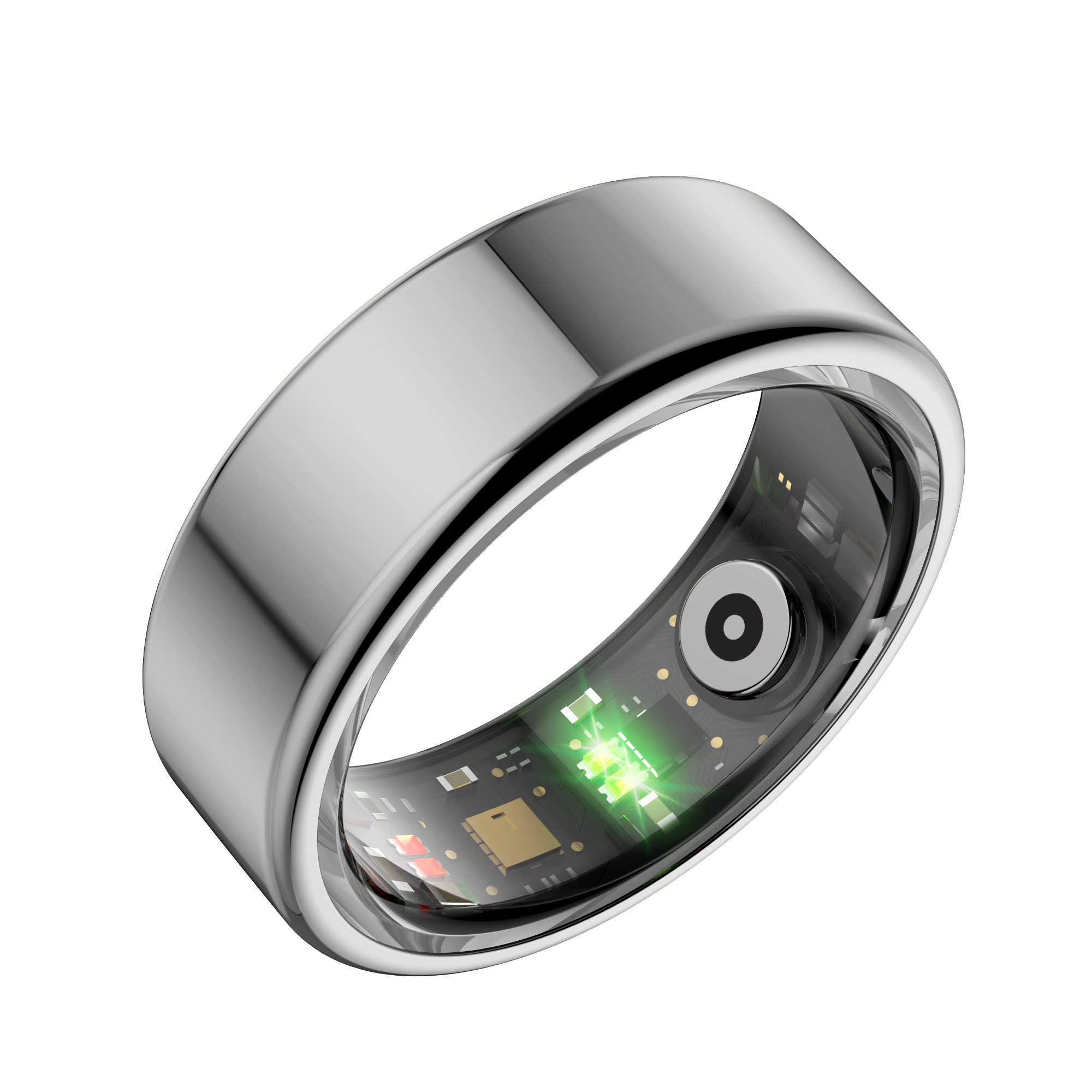



How to Clean and Maintain Your Smart Ring Without Damaging Sensors
Share
Summary:
- Clean your smart ring weekly using mild soap, lukewarm water, and a soft cloth to protect sensitive sensors.
- Avoid harsh chemicals, abrasive tools, and ultrasonic cleaners that can damage coatings and internal components.
- Always dry your ring completely before charging to prevent corrosion and electrical issues.
- Wipe sensors daily to maintain accurate health and activity tracking.
- Remove your ring during high-impact activities to prevent scratches and structural damage.
The safest way to clean and maintain your smart ring is with mild soap, lukewarm water, and gentle wiping tools. This removes buildup while protecting delicate biometric sensors.
Never use bleach, acetone, ultrasonic cleaners, or abrasive cloths. These can degrade protective coatings and damage internal components.
Proper cleaning keeps sensors clear, supports accurate health readings, and keeps your device performing at its best. Below, you’ll find the exact step-by-step methods and maintenance practices to keep your ring protected and built to last.
Step-by-Step Deep Cleaning Guide
Deep cleaning should be done once a week or whenever visible buildup appears. Follow these steps carefully to protect the sensors and internal components.
Step 1: Preparation
Before you begin:
Remove the ring from your finger
Place it on a soft, clean surface
Fill a small non-abrasive bowl with lukewarm water
Add a few drops of mild dish soap
Mix gently to create a light cleaning solution. Avoid hot water, since high temperatures can stress internal seals even in rings built with a strong water-resistant design.
Step 2: Gentle Cleaning
Clean different parts of the ring with care.
For the ring body:
Dip a microfiber cloth into the solution
Wipe the exterior surface gently
Focus on areas with visible buildup
For sensors and tight crevices:
Use a soft-bristle brush or cotton swab
Lightly dip it into the cleaning solution
Clean using small, controlled motions
Do not apply pressure. Even rings made with scratch-resistant materials can be damaged by aggressive scrubbing.
Step 3: Thorough Rinsing
When rinsing:
Use a gentle stream of lukewarm water
Rotate the ring to remove soap from all angles
Pay attention to the sensor window and charging contacts
Ensure all soap residue is removed. Leftover residue can interfere with readings. Hold the ring securely to prevent accidental drops.
Step 4: Complete Drying
After rinsing:
Pat dry with a clean, lint-free cloth
Let the ring air dry completely
Check that the charging contacts are fully dry
Do not rush this step. Even with an IP67-rated waterproof ring, trapped moisture can lead to corrosion or charging issues over time.
Essential Maintenance and Care Best Practices
These maintenance practices reduce wear, prevent seal damage, and help maintain consistent sensor accuracy.
Daily and Weekly Care
Light maintenance prevents heavy buildup and performance issues.
Wipe the inner sensor surface daily using a dry microfiber cloth. This removes sweat, skin oil, and residue before it hardens.
Once a week, perform a deeper clean and inspect the ring carefully. Check for buildup around crevices and ensure the sensor window remains clear and smooth.
You should:
Remove visible lotion or sunscreen residue immediately
Check charging contacts for debris
Look for scratches near sensor areas
Small habits prevent long-term degradation.
Charging Protocol
Always ensure the ring is fully dry before placing it on the charger. Even devices marketed as waterproof, dustproof, and long-lasting battery still require dry charging conditions.
Follow these basic rules:
Use only the manufacturer-provided charger
Keep charging contacts clean and dust-free
Avoid charging in humid environments
Safe charging protects both battery life and internal electronics.
Activity and Environmental Awareness
Smart rings are engineered for a comfortable, lightweight fit, but they are not impact-proof.
Remove the ring during high-impact activities such as weightlifting or contact sports. Repeated pressure and friction can damage coatings and internal components.
Also, avoid environmental extremes. Sudden temperature shifts, prolonged sauna exposure, and direct contact with harsh chemicals can weaken protective seals.
When not wearing your ring, store it in a soft pouch or separate compartment to prevent scratches. Preventive awareness reduces the need for repairs later.
What to Avoid When Cleaning Your Smart Ring
Avoid the following to protect sensors, coatings, and internal seals.
Harsh Cleaning Agents
Strong chemicals can degrade finishes and weaken adhesives over time. Even if damage is not visible immediately, repeated exposure can reduce lifespan.
Do not use:
Bleach
Acetone
Ammonia
Abrasive polishing pastes
Strong household disinfectants
Mild soap and lukewarm water remain the safest default option.
Aggressive Tools and Methods
Rough handling can scratch sensor windows or compromise protective coatings.
Avoid:
Ultrasonic cleaners
Compressed air
Rough scrubbing pads
Hard-bristle brushes
Metal or glass bowls during soaking
Even small surface scratches can interfere with optical sensor accuracy.
Conclusion:
Cleaning and maintaining your smart ring does not require complex tools. Mild soap, lukewarm water, and gentle handling are enough to protect sensitive sensors.
Avoid harsh chemicals, abrasive tools, and extreme temperatures that can weaken seals or damage coatings over time.
Consistent, careful maintenance keeps sensors clear, readings accurate, and internal components protected. Treat your smart ring as precision technology, and it will continue delivering reliable health insights for years.
Frequently Asked Questions
1. How often should I clean my smart ring?
You should wipe your smart ring daily to remove sweat and skin oils. Perform a deeper clean once a week or whenever visible buildup appears. Regular cleaning helps maintain accurate sensor readings.
2. Is it safe to wash my smart ring under running water?
Yes, if your ring is water-resistant, you can use lukewarm water with a gentle stream. Avoid hot water and never expose the ring to extreme temperatures.
3. What happens if I do not clean the sensors regularly?
Oil, sweat, and lotion buildup can block optical sensors. This may lead to inaccurate heart rate, sleep, or activity tracking data over time.
4. Should I remove my smart ring during workouts?
It is recommended to remove the ring during high-impact activities such as heavy weightlifting or contact sports. Repeated impact can damage coatings and internal components.