


Can Wearables Encourage Better Doctor-Patient Conversations?
Share
Key Takeaways
- Smart rings give you and your doctor a steadier record of heart rate, HRV, sleep, and overnight changes.
- Finger-based sensors can capture clearer heart rate and HRV signals than wrist wearables.
- A productive visit starts with one or two metrics, a short date range, and notes on medication, illness, travel, or training.
- Wearable data works best as context, not as a diagnosis.
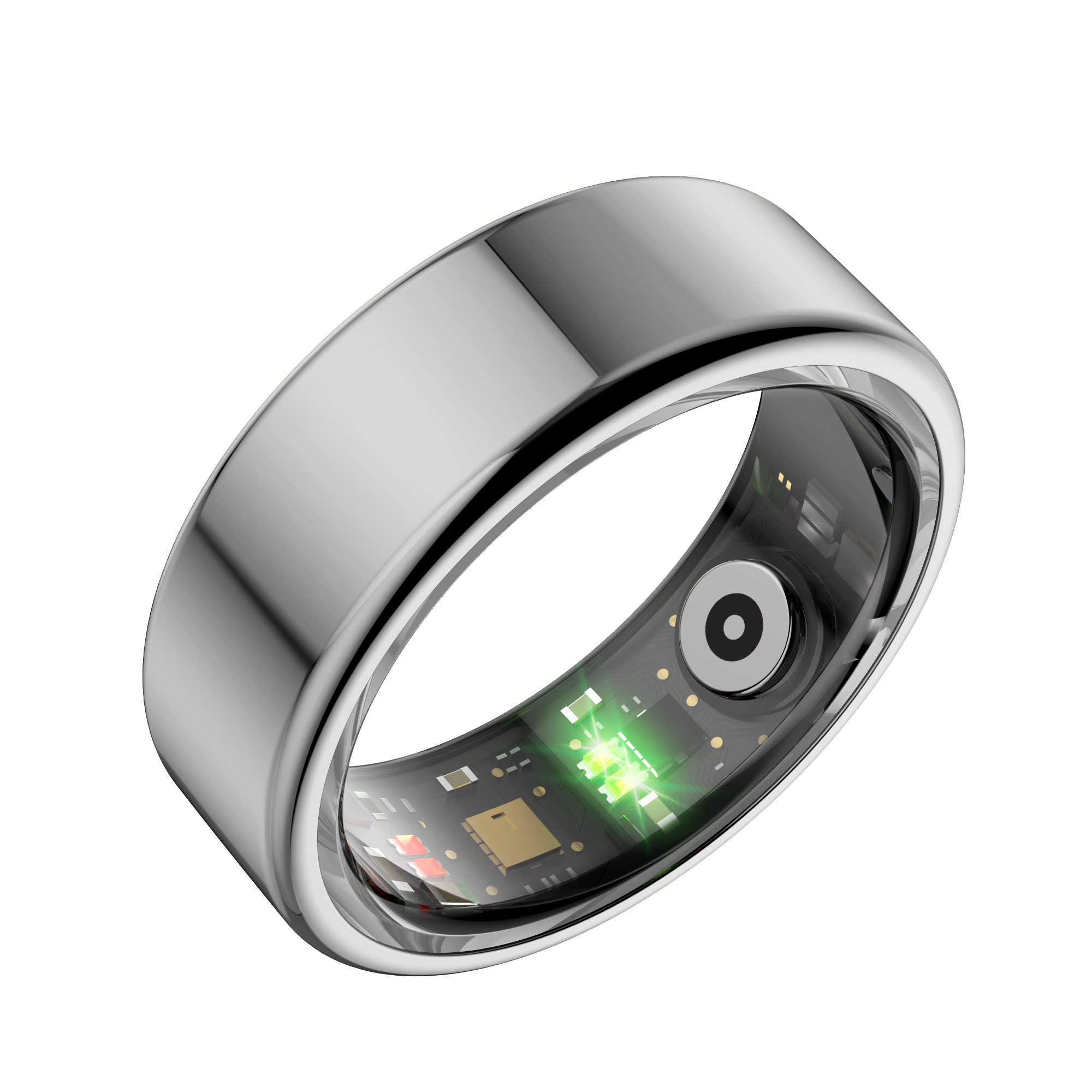
Yes. Wearables can improve doctor-patient conversations by turning vague recall into clear health trends. Smart rings stand out because they track data continuously from the finger, where heart rate signals are often stronger, helping patients and clinicians spot meaningful changes earlier.
Why Are Smart Rings Different From Smartwatches?
A better conversation starts with better input. For many health discussions, smart rings gather a steadier signal and stay on the body longer.
Why Does Finger Placement Improve Signal Quality?
A 2025 systematic review found high smart ring accuracy for heart rate and heart rate variability (HRV). The review notes that finger-based sensing benefits from richer vascular anatomy and less motion noise than many wrist readings. In a 2025 atrial fibrillation study, a ring beat a leading smartwatch on sensitivity, 84.6% vs 69.1%, and produced far fewer unclassified readings, 1.9% vs 20.1%.
Why Does Continuous Wear Matter?
Comfort matters because the clearest health picture comes from consistent wear. Rings often stay on through sleep, which helps capture nocturnal shifts people rarely remember or report well. In one wearable study, COVID-related changes appeared an average of 2.75 days before participants sought testing. In inflammatory bowel disease research, wearable signals changed up to 7 weeks before flare periods.
How Do Wearables Change the Exam Room Conversation?
The main shift is simple: the conversation moves from vague memory to a shared view of what changed, and when.
Why Do Trends Beat Memory?
Patients often struggle to recall details between visits. Patient-generated data gives both sides a record to review, making the discussion more personal, more actionable, and more balanced. A 2024 field study found three useful behaviors once patient data entered consultations: emotion labeling, expectation decelerating, and decision ping-pong.
How Does Shared Review Improve Decisions?
When the patient and clinician look at a common graph, the visit becomes more focused. A rise in resting heart rate, disrupted sleep, or a decline in HRV gives the physician something objective to connect with symptoms, medication changes, training load, or insomnia. That shared view can improve follow-up questions and support more effective shared decisions.
What Gets in the Way of Useful Wearable Conversations?
The promise is real, but clinical workflow still lags. Most of the friction comes from data volume, missing context, and uneven access.
Why Does Data Overload Slow Adoption?
Clinicians don’t need thousands of raw data points. They need a short summary that fits into the visit and the chart. Reviews of patient-generated health data show EHR integration is still early, and decision support is still limited, which explains why so many discussions still rely on screenshots and app views.
Where Do Accuracy and Trust Still Matter?
Consumer wearables are useful for spotting patterns, not making diagnoses. Ring data can help flag a concern, but it should not replace medical testing. Doctors still need clinical review before they confirm a diagnosis or change treatment.
Who Gets Left Behind?
Setup, syncing, and data sharing can still create friction. AHRQ’s practical guidance for patient-generated health data highlights the need for staff support, patient training, and clear implementation steps. Without that support, the people who need closer tracking may face the most friction in using it well.
How Should Patients Use Ring Data at a Visit?
Bring less data and more context. That approach respects the doctor’s time and improves the odds of a useful answer.
Focus on One or Two Metrics
Pick metrics that fit the issue you want to discuss. For stress or recovery, use HRV and sleep duration. For blood pressure concerns or stimulant effects, use nocturnal heart rate. For insomnia, use sleep efficiency and wake periods. A narrow focus leads to a better visit.
Bring a Short Trend, Not a Raw Export
Use a two- to four-week view. Mark the dates of illness, travel, medication changes, alcohol use, or harder training. If you use a device such as Life Ring, show one clear screenshot and one clear question, such as, “My resting heart rate rose by 10 bpm this week. Does this fit with my new medication?”
Ask for Sharing Rules Up Front
Ask three things before you leave:
-
Which metric matters most?
-
How should I share it?
-
What threshold should prompt a message or a call?
Clear rules reduce inbox noise and help both sides treat wearable data as a useful tool instead of a constant stream.
What Should Clinicians Do Right Now?
A good first step does not require new hardware. It requires a simple response and a simple workflow.
Acknowledge the Data, Then Narrow the Focus
Thank the patient for bringing the trend. Ask what they noticed, what changed around the same dates, and which metric matters most. That response keeps the discussion grounded and teaches patients how to bring better data next time.
Set Simple Practice Rules
Define which data streams are useful, who reviews them, how they enter the record, and what triggers outreach. AHRQ’s guidance for PGHD programs centers on exactly those steps, because good workflow protects clinician time and makes adoption more realistic.
What Is Next for Wearables in Medical Care?
Wearables are starting to fit more naturally into healthcare, but the process is still developing. Clinics are working on better ways to move patient-collected data into electronic health records, so doctors can review useful trends more easily. Over time, this should replace screenshots and long data exports with simpler alerts that support faster decisions.
Conclusion
Smart rings improve doctor-patient conversations when the data stays focused, the trend is easy to review, and both sides agree on how to use it. The goal is not self-diagnosis. The goal is a better discussion, earlier pattern recognition, and a clearer path toward the next clinical step.
FAQs
1. Should I bring every wearable metric to my appointment?
No. Bring one or two relevant trends over a short time range, with notes on anything that changed around the same dates.
2. Are smart ring readings enough for a diagnosis?
No. Consumer wearables help spot patterns and raise questions. Clinical decisions still need formal testing when the situation calls for it.
3. Why do rings often work well for overnight tracking?
The finger often gives cleaner vascular signals, and rings are easier to wear through sleep, which improves continuity.
4. What is the best way to phrase a question for my doctor?
Use one trend and one question. “My HRV stayed lower for a week after I changed my routine. Does this fit what you would expect?” That format is easier to review than a long list of numbers.