


Can a Smart Ring Detect Dehydration or Low Oxygen Levels?
Share
Summary
- Smart rings use red and infrared light sensors (PPG) to directly measure blood oxygen (SpO2).
- Dehydration is identified by spotting specific clues like a rising heart rate and falling sleep quality.
- The ring is most effective when it notices a pattern in several health markers (like HRV and RHR).
- These rings are for general wellness and are not intended to replace medical-grade diagnostic equipment.
Yes, smart rings can directly measure blood oxygen levels (SpO2), but they only infer dehydration indirectly through related biometric patterns. This sensor technology makes modern rings highly effective devices for proactive health tracking
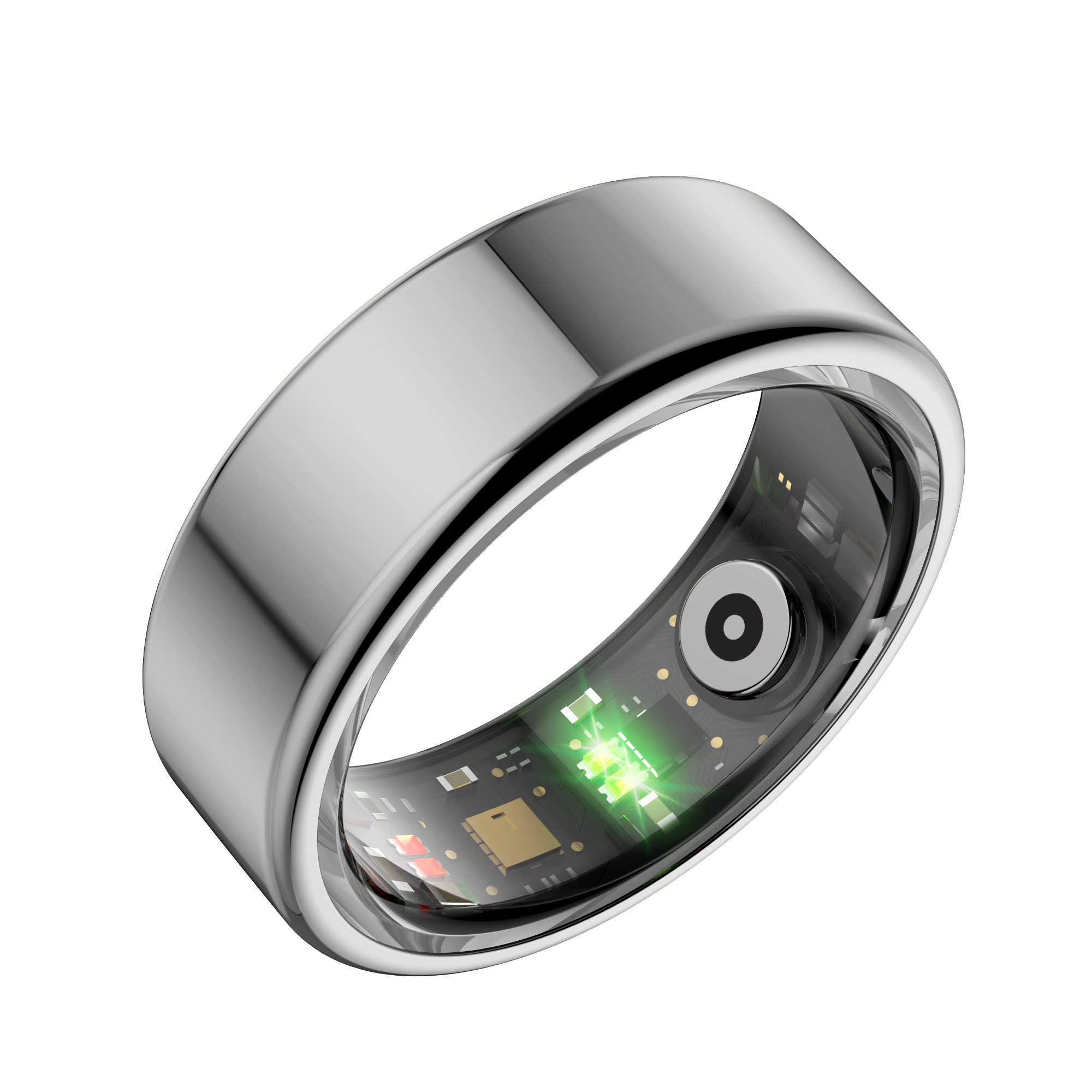
Previously, monitoring health only used to mean bulky machines and hospital visits. Now, tracking is possible just by wearing a small band on your finger. These rings use LEDs and sensors that scan through the skin to monitor heart rate, sleep patterns, and blood oxygen levels.
This continuous daily data establishes your personal baseline, allowing the device to alert you the moment your biometrics deviate from the norm.
How Smart Rings Directly Detect Low Oxygen Levels (SpO2)
While monitoring blood oxygen levels may seem complicated, the process relies on basic science and light.
Core Technology: Photoplethysmography
The secret behind this measurement is a technology called photoplethysmography (PPG). Inside the band of the ring, tiny LED lights (usually red and infrared) shine directly into the skin of the finger.
The blood vessels in the finger absorb and reflect this light in different ways depending on how much oxygen is present in the blood at the time.
Oxygen-Rich Blood: When blood is full of oxygen, it is bright red and absorbs more infrared light while reflecting more red light.
Oxygen-Poor Blood: When blood has less oxygen, it turns a darker shade of red. This darker blood absorbs more red light instead.
A small sensor in the ring measures exactly how much of each light bounces back. A built-in computer program then calculates the percentage of oxygen in the blood. For most people, a healthy score is between 95% and 100%.
Accuracy and Best Use Cases
Smart rings are excellent tools for tracking trends over time. They are especially helpful during sleep, as they can catch moments when oxygen levels dip. These patterns can sometimes reveal issues like sleep apnea, where your breath pauses and starts during the night.
Though it’s important to note that while these rings are reasonably accurate in their readings, they are not as precise as the medical-grade pulse oximeters used in hospitals. They are designed for general wellness and not for diagnosing diseases.
If the smart ring continuously shows low readings, the best step is to discuss the data with a healthcare professional.
How Smart Rings Indirectly Signal Potential Dehydration
The light sensors in smart rings can detect oxygen, but detecting water is a tough task. Currently, no consumer smart ring contains a direct hydration sensor that can measure the exact water content in the blood.
So, how does it potentially measure dehydration? By tracking how the body reacts to fluids.
Key Physiological Indicators
The body leaves behind a specific trail of clues when it starts to run low on water. The ring’s sensor picks up on these three major changes:
1. Elevated Resting Heart Rate (RHR)
When dehydrated, blood volume actually drops, making the blood slightly thicker. To keep this blood moving, the heart has to work much harder. If the ring detects an RHR that is higher than the usual baseline, even while sitting still, it’s often a sign of low fluid levels.
2. Lower Heart Rate Variability (HRV)
HRV measures millisecond-long gaps between each heartbeat. A high HRV means the body is relaxed and recovered. Since dehydration is a physical stressor, it triggers the fight or flight system, causing the heartbeat to become more rigid and the HRV score to dip noticeably.
3. Disrupted Sleep Quality
Staying hydrated is essential for the body to maintain its internal temperature. Without enough water, the skin can stay too warm at night, preventing the cooling needed for restful sleep. The ring shows a pointed decrease in “Deep Sleep” time when fluids are low.
The Power of Pattern Recognition
A single high heart rate or a bad night of sleep doesn’t always mean dehydration. Stress or snacking late at night can also change these numbers.
A smart ring’s actual power lies in pattern recognition. It learns a personal baseline to know what is normal for that specific body. The real warning comes when heart rate, HRV, and sleep all move away from the norm at the same time. By connecting these dots, the ring acts as a prompt to check fluid intake.
Conclusion
Smart rings provide us with a look inside the body, but it is helpful to remember how they handle different types of information:
Oxygen (SpO2): The ring uses direct measurement with light sensors. It is a reliable way to watch for trends over time, especially while sleeping.
Dehydration: The ring uses indirect measurements, connecting patterns in heart rate, stress levels, and sleep to suggest when the body needs more water.
These rings provide early warnings that might otherwise be missed, helping a person stay ahead of their health. But always consult a healthcare professional for any persistent symptoms, unusual results, or a formal diagnosis.
FAQs
1. Can a smart ring tell me exactly how many ounces of water to drink?
No, a smart ring cannot measure the exact water volume. It detects the physical stress dehydration causes, like a faster heart rate or restless sleep, to prompt a check on fluid intake.
2. How does the ring see my oxygen through my skin?
The ring shines tiny LED lights into the finger. Oxygen-rich blood is bright red and reflects light differently than darker, oxygen-poor blood, allowing the sensor to calculate the percentage.
3. Why is a ring better than a watch for tracking these metrics?
The finger is often better for sensors because the blood vessels are closer to the surface and the ring fits more snugly than a watch, leading to more consistent readings during sleep.
4. Should I be worried if my ring shows a low oxygen dip one night?
Not necessarily. Occasional dips can happen due to movement or ring positioning. However, if the ring shows a consistent trend of low oxygen during sleep, it is a good idea to discuss the data with a doctor.