

How Life Ring Tracks Your Recovery After Intense Workouts
Share
Quick Summary
- Life Ring tracks recovery signals such as heart rate, sleep, blood oxygen, stress, body temperature, and activity.
- HRV and resting heart rate help show how your nervous system and body respond after hard training.
- Sleep quality matters because your body repairs tissue and restores energy during sleep.
- Daily recovery trends matter more than one reading. Look at patterns across days and weeks.
- Finger tracking gives a stable fit, which helps reduce movement issues common with rist trackers.
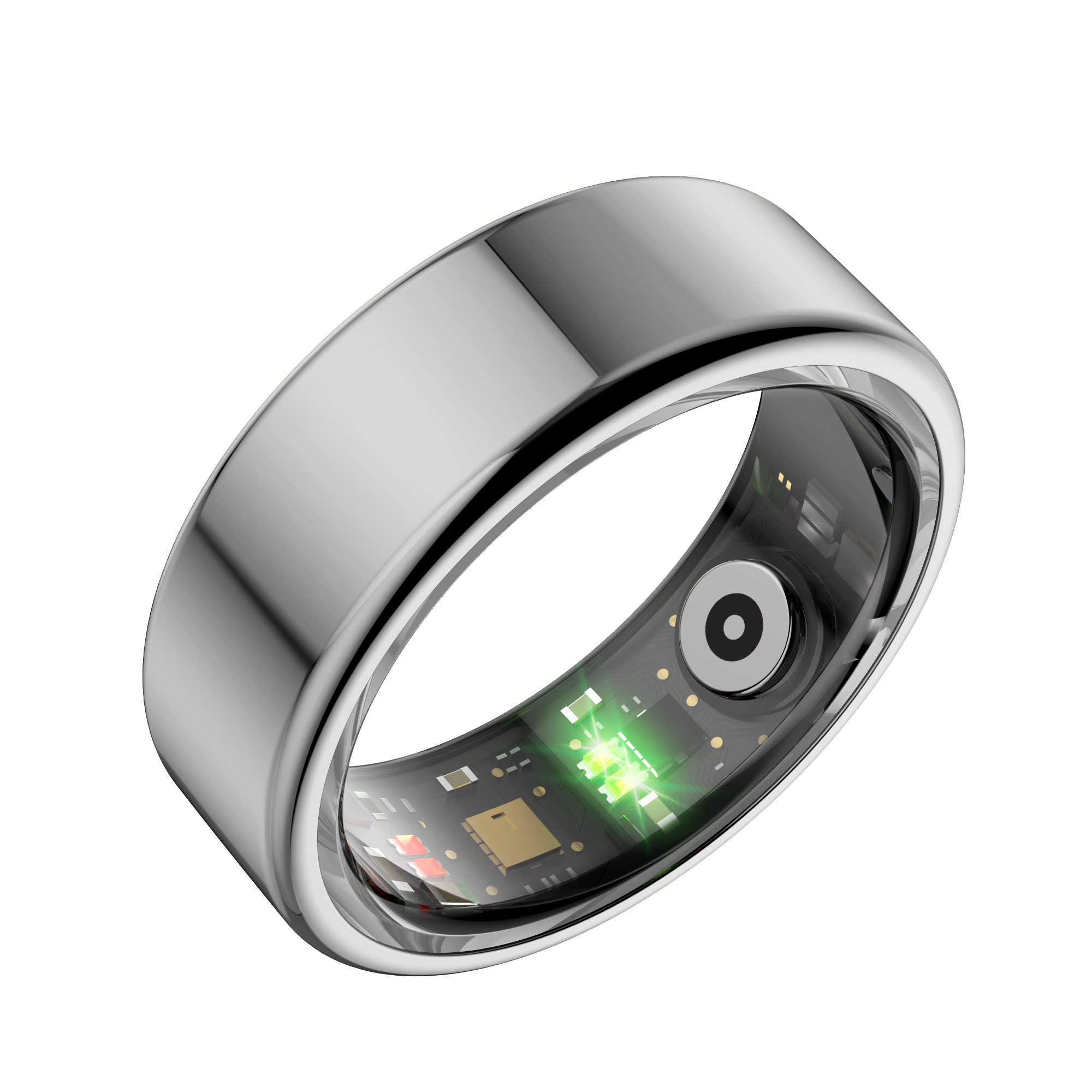
Your next workout should match your recovery, not your motivation alone. Life Ring tracks recovery by reading heart rate, sleep, stress, blood oxygen, body temperature, and activity through a small smart ring with PPG and temperature sensors, then sends those trends to the app for daily review.
Why Recovery Is As Important as the Workout Itself
Hard workouts create stress. Your muscles, nervous system, heart, and sleep cycle all respond. Training only works when your body gets enough time to repair and adapt.
Recovery research shows athletes need a balance between stress and recovery to manage fatigue and support performance. Sleep also plays a major role in athletic performance, physical health, and mental readiness.
Key Metrics Life Ring Tracks for Optimal Recovery
Life Ring tracks several daily signals.
Heart Rate Variability
Heart rate variability measures the time gap between heartbeats. A higher HRV often points to better recovery and lower stress, while a lower HRV often reflects fatigue, strain, or poor sleep.
Resting Heart Rate
Resting heart rate shows how hard your heart works when your body rests. Mayo Clinic lists a typical adult resting heart rate range as 60 to 100 beats per minute, with many factors affecting the number, including fitness, sleep, emotions, and health.
Sleep Quality and Sleep Stages
Sleep gives your body time to restore. Deep sleep supports physical repair, while REM sleep supports brain recovery and nervous system balance.
A smart ring helps you connect hard training days with your sleep results. If intense sessions reduce sleep quality, your body gives you a clear signal to adjust training load.
Body Temperature
Nightly body temperature changes help you spot unusual patterns. A higher-than-normal trend might appear when your body deals with heavy stress, poor recovery, or illness.
Life Ring lists a temperature sensor among its tracking features, along with PPG and movement tracking.
Blood Oxygen Levels
Blood oxygen levels, also called SpO2, show how well oxygen moves through your blood. Cleveland Clinic explains pulse oximetry as a way to check oxygen saturation, with normal readings often around 95 percent to 100 percent.
For recovery, SpO2 works best as a trend. If your normal pattern changes along with poor sleep, high resting heart rate, or low energy, your body needs attention.
Recovery Metric Cheat Sheet
|
Metric |
What It Shows |
What To Watch |
|
HRV |
Nervous system recovery |
Lower than your baseline |
|
Resting Heart Rate |
Cardiovascular strain |
Higher than your baseline |
|
Sleep Quality |
Physical and mental recovery |
Less deep sleep or poor sleep duration |
|
Body Temperature |
Stress, recovery, or illness signals |
Unusual nightly rise |
|
SpO2 |
Oxygen saturation trend |
Lower readings compared with your normal |
How Life Ring’s Recovery Data Guides Your Fitness Decisions
Recovery data works best when you use trends, not isolated numbers. One poor night does not ruin your training plan. A full week of poor markers deserves a change.
Daily Recovery Score
A daily recovery score brings your key signals into one simple view. A high score suggests your body handled recent stress well. A low score suggests you should reduce intensity, add mobility work, or rest.
Spot Overtraining or Illness Early
Overtraining often shows up before you feel fully drained. Low HRV, elevated resting heart rate, weaker sleep, and unusual temperature changes create a pattern.
Research on HRV-guided training notes that a high HRV with low resting heart rate often points toward recovery, while an elevated resting heart rate with less favorable HRV signals fatigue or overtraining risk.
Connect Sleep With Training Load
Your sleep often reflects your training choices. If heavy leg days, late workouts, or long cardio sessions hurt your sleep, your app data gives you evidence.
This helps you plan better. Move intense sessions earlier. Add rest between hard days. Reduce volume when sleep quality drops.
Why Finger Tracking Gives Cleaner Recovery Data Than Wrist Tracking
Finger-based tracking works well for recovery because the ring sits close to strong blood flow and stays comfortable during sleep. Life Ring also notes finger pulse signals as a benefit of smart rings.
Finger Position Adds Stability
Wrist trackers move more during daily activity and workouts. A peer-reviewed study from IEEE Sensors Journal notes tissue movement creates motion artifacts in wrist PPG signals, which affects heart rate accuracy in smartwatches.
A secure ring size matters because loose wear affects data quality. Fit should feel snug, comfortable, and stable during sleep.
Continuous Tracking Builds Better Trends
Recovery depends on long-term patterns. A smart ring supports all-day and overnight tracking without bulky wrist wear.
The more consistent your data, the easier it gets to understand your normal range.
How to Use Your Life Ring Data Effectively
Start with your baseline. Wear the ring for several days and learn your normal HRV, resting heart rate, sleep duration, and temperature pattern.
Next, watch weekly trends. One unusual day matters less than repeated changes. If your HRV drops for several days and your resting heart rate rises, lower the workout intensity.
Use your recovery score to plan training. Choose heavy lifting, sprints, or high-intensity work on better recovery days. Choose walking, mobility, technique work, or rest on low recovery days.
Conclusion
Life Ring tracks recovery by monitoring the signals your body gives after training. HRV, resting heart rate, sleep quality, body temperature, and blood oxygen trends help you understand when to push and when to recover.
Use the data daily, but judge patterns over time. Consistent recovery tracking helps you train smarter, avoid unnecessary strain, and get more value from every workout.
FAQs
1. Does Life Ring track recovery?
Life Ring tracks heart rate, sleep, stress, blood oxygen, body temperature, and activity. These signals help show how your body responds after intense workouts.
2. Is Life Ring more accurate than wrist trackers?
Finger tracking often gives cleaner recovery data because the ring sits securely and avoids many wrist movement issues. Fit still matters.
3. What metrics should I monitor for recovery?
Track HRV, resting heart rate, sleep quality, body temperature, and SpO2. These metrics work best together.
4. How do I use Life Ring to avoid overtraining?
Watch for repeated low HRV, elevated resting heart rate, poor sleep, and low recovery scores. Reduce intensity when several markers move in the wrong direction.
5. Does Life Ring help with sleep tracking?
Yes. Life Ring tracks sleep patterns and helps you see how training, stress, and activity affect your rest.