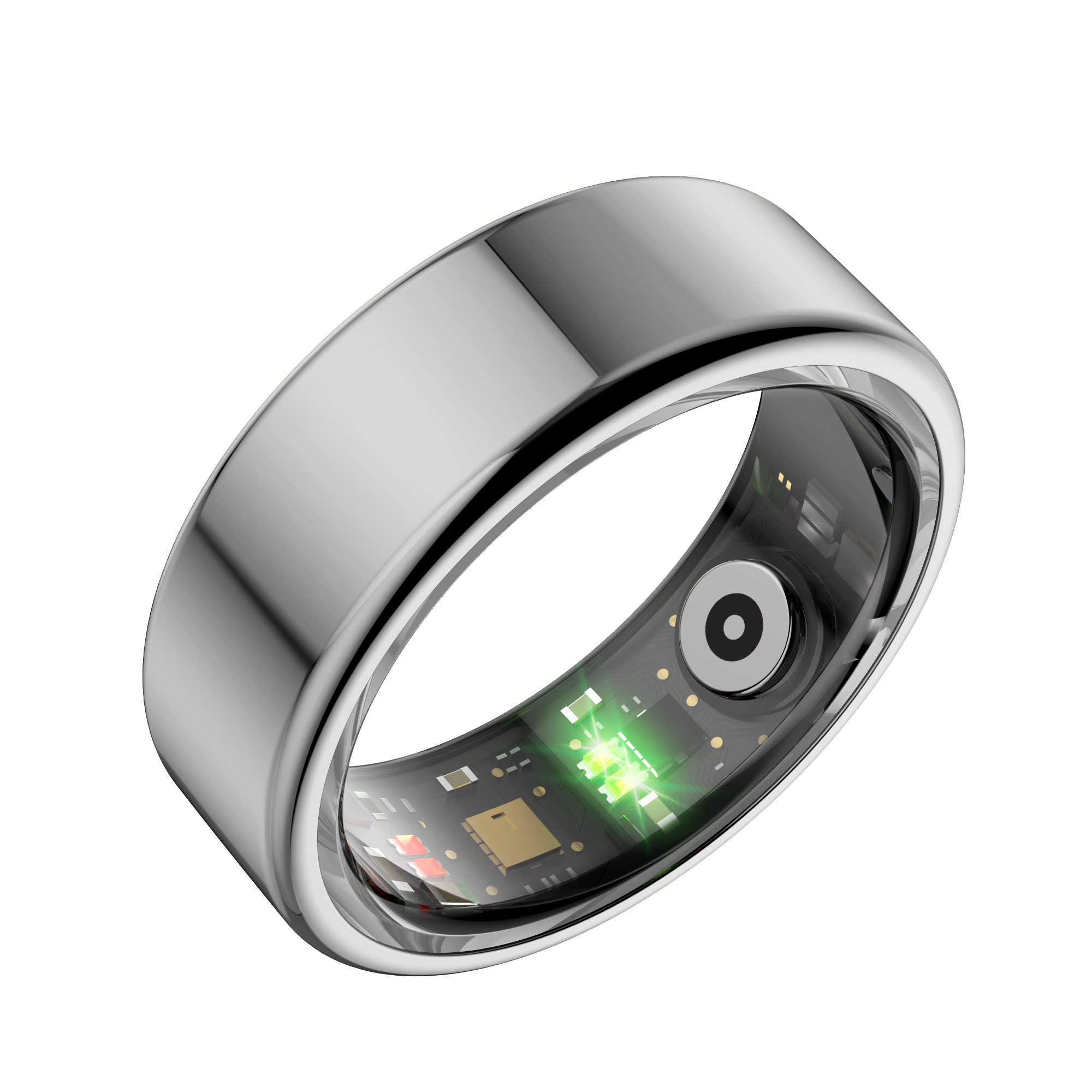



What to Look for When Buying Your First Smart Ring
Share
Quick Summary
- Compare the total cost, sizing process, battery life, sensors, and companion app before choosing your first smart ring.
- Check for recurring fees. Some brands charge a monthly subscription for full access to your data, while others include tracking with the purchase.
- Fit affects both comfort and sensor contact, so use the brand’s size guide instead of guessing from your usual jewelry size.
- Because smart rings do not have screens, make sure the app works with your phone and presents the data you care about clearly.
- Life Ring offers core wellness tracking, Apple and Android compatibility, up to seven days of battery life, and no monthly or activation fees.
- The right smart ring is one you can wear consistently without unexpected long-term costs.
What Should You Look for When Buying Your First Smart Ring?
Short Answer
Look for a clear sizing process, transparent pricing, multi-day battery life, the sensors you need, phone and app compatibility, a confirmed water-resistance rating, and a design you can comfortably wear during the day and while sleeping.
The Three Biggest First-Time Buyer Factors
Start with these three:
- Subscription fees: Check whether full access to your data requires a recurring payment.
- Sizing accuracy: Use the brand’s sizing guide or kit rather than relying on your usual jewelry size.
- Battery life: Choose a ring that can track for several days without frequent charging gaps.
Why This Matters
A smart ring can only collect consistent data when you wear it regularly. Comfort, secure sensor contact, dependable battery life, and easy access to your data matter just as much as the number of features listed on the product page.
Factor #1: Check the Total Cost, Not Just the Upfront Price
Why Smart Ring Pricing Can Be Confusing
The purchase price may not reflect what you will actually spend. Depending on the brand, additional costs may include:
- A monthly app subscription
- Paid access to advanced insights
- Historical data locked behind a higher plan
- Activation or app fees
A lower-priced ring can cost more over time if essential features require recurring payments.
What to Ask Before Buying
Before comparing prices, check:
- What is the ring’s purchase price?
- Does it require a monthly subscription?
- Which health metrics are included?
- Can you view historical trends without paying more?
- Are there activation, app, or setup fees?
Where Life Ring Fits
Life Ring is currently listed at $99.99. Its product page states that there are no monthly or activation fees, so buyers receive its available wellness-tracking features without adding a recurring subscription.
Factor #2: Get the Size Right Before Ordering
Why Smart Ring Sizing Matters
Smart ring sensors need steady contact with your finger. A loose ring may twist or lose contact, leading to less consistent heart rate or sleep readings. A ring that is too tight can become uncomfortable, especially when your fingers swell during the day or overnight.
Best Practice for First-Time Buyers
Do not rely only on your usual jewelry size. Ring dimensions vary by brand, and a smart ring needs a more precise fit than ordinary jewelry.
- Use the brand’s sizing guide or physical sizing kit when available.
- Test the size on the finger where you plan to wear the ring.
- Wear a test size long enough to check it during sleep and daily activities.
- Check the fit at different times of day to account for swelling.
- Choose a fit that feels secure without pinching or restricting removal.
Life Ring Fit
Life Ring offers a size guide and multiple ring sizes. Confirm your measurements before ordering so the ring remains comfortable while maintaining consistent sensor contact.
Factor #3: Review the Health Sensors
Core Sensors to Look For
Choose sensors based on the information you want to track rather than the length of the feature list.
- PPG sensor: Uses light signals to support heart rate tracking and, on compatible models, blood oxygen estimates.
- Temperature sensor: Tracks temperature changes over time.
- Accelerometer: Detects movement for steps, activity, and sleep tracking.
Sleep scores, stress trends, and recovery insights are not separate sensors. They are app-generated interpretations based on data collected by the ring’s sensors, and the available insights vary by model.
Life Ring Sensors
Life Ring includes a PPG sensor, temperature sensor, and 3D accelerometer. Its listed wellness features include heart rate, blood oxygen, stress, sleep, steps, calories, and sports-mode tracking.
Smart ring readings are intended to support general wellness awareness. They should not be treated as a medical diagnosis or used as a substitute for professional medical advice.
Factor #4: Make Sure the App Works With Your Phone
Why the App Matters
Most smart rings do not have a screen, so the companion app is where you view and interpret your data. A useful app should present information clearly, including:
- Sleep data
- Heart rate trends
- Stress metrics
- Activity data
- Temperature trends
- Daily summaries
A strong sensor list means little if the app is confusing, unreliable, or incompatible with your phone.
Check Phone Compatibility
Before buying, confirm that the ring supports your phone’s operating system and any health platform you already use:
- iPhone and Apple Health
- Android and Samsung Health
- Health Connect
- Google Fit, when supported
Do not assume compatibility based only on whether the app appears in your app store. Check which data can actually sync with each platform.
Life Ring Compatibility
Life Ring’s companion app is available for iOS and Android. It can sync with Apple Health, Samsung Health, and Health Connect. Google Fit access is not advertised as a direct integration but may be available through Health Connect with additional setup.
Factor #5: Look at Battery Life and Charging
Why Battery Life Affects Daily Use
Consistent wear produces more complete trends. If a ring needs frequent or lengthy charging, you may miss sleep, activity, or heart rate data while it is off your finger.
What to Look For
Smart ring batteries commonly last four to more than 10 days, depending on the model. Compare:
- Advertised battery life
- Charging time
- Charger type
- Battery alerts in the app
- Whether the charging method is practical for travel
Multi-day battery life matters, but a simple charger and clear low-battery warning can be just as important in daily use.
Life Ring Battery
Life Ring lists up to seven days of battery life on a single charge. It uses magnetic charging, reducing how often buyers need to remove the ring and creating fewer gaps in routine tracking.
Factor #6: Check Comfort, Material, and Durability
Why Comfort Is Essential
A smart ring should be comfortable enough to wear during work, sleep, walking, light exercise, and everyday routines. Pay attention to pressure, pinching, rotation, and irritation. Minor discomfort can become difficult to ignore when you wear a ring throughout the day and night.
Materials to Consider
Look for a ring that is:
- Lightweight
- Durable
- Smooth against the skin
- Resistant to everyday wear
lso consider the shape, thickness, and care requirements. A durable material does not guarantee comfort if the ring feels bulky between your fingers or catches during routine tasks.
Life Ring Material
Life Ring uses titanium construction and weighs approximately 3 to 5 grams, depending on size. Its low weight is designed for extended wear without adding the bulk of a wrist-based device.
Factor #7: Understand Water Resistance
Why Water Resistance Matters
Water resistance affects whether you can keep the ring on while washing your hands, showering, exercising in the rain, or swimming. Removing it repeatedly can interrupt tracking and make the ring easier to lose.
What Buyers Should Check
Do not rely on the word “waterproof” alone. Confirm:
- The exact water-resistance rating
- Whether showering and swimming are supported
- Maximum depth and exposure time
- Whether soap, salt water, or chlorine affects use
- Any water-damage warranty exclusions
Ratings and depth claims are not interchangeable, so follow the manufacturer’s stated limits for the specific model.
Life Ring Water Resistance
Life Ring’s product page describes the ring as suitable for handwashing, showering, sweating, and swimming. Its exact depth and time limits should be confirmed before extended submersion.
Factor #8: Decide Whether You Need a Smart Ring or Smartwatch
Smart Rings Are Best For
Choose a smart ring if you want:
- Passive wellness and activity tracking
- Sleep tracking without a bulky wrist device
- Discreet, screen-free wear
- Multi-day battery life
- Fewer notifications and distractions
A smart ring collects data quietly, but you will need your phone to view it.
Smartwatches Are Better For
Choose a smartwatch if you need:
- Notifications and calls
- GPS workout tracking
- Live workout statistics
- Music controls
- On-device apps
- A screen for immediate interaction
Smartwatches offer more active features but are larger and may require more frequent charging.
Simple Buyer Rule
Choose a smart ring if you primarily want unobtrusive wellness tracking. Choose a smartwatch if you want a screen, notifications, and interactive features on your wrist.
First Smart Ring Buying Checklist
Before You Buy, Ask These Questions
- Does the ring require a subscription?
- What will it cost over two years?
- Does it work with my phone?
- Can it sync with my preferred health app?
- How long does the battery last?
- How do I confirm my size?
- Which sensors and metrics are included?
- Is it comfortable enough to wear while sleeping?
- What is its exact water-resistance rating?
- Does the app present data clearly?
Life Ring Checklist Summary
Life Ring may suit first-time buyers looking for:
- A current price of $99.99
- No monthly or activation fees
- iOS and Android compatibility
- Apple Health and Samsung Health syncing
- Up to seven days of battery life
- Heart rate, sleep, stress, temperature, and activity tracking
Confirm your size and the current water-resistance limits before ordering.
Common Mistakes First-Time Smart Ring Buyers Make
Choosing Only by Price
The least expensive ring is not automatically the best value. Limited sensors, a poor app, or unreliable battery life can make a low upfront price less appealing.
Forgetting Subscription Costs
Calculate the total cost beyond checkout. A monthly fee can substantially increase what you spend over one or two years.
Guessing the Size
Do not order based only on your usual jewelry size. A loose ring may rotate and lose sensor contact, while a tight one can become uncomfortable as your fingers swell.
Expecting Smartwatch Features
Smart rings are built for passive, screen-free tracking. Do not expect calls, full notifications, music controls, or live workout displays.
Ignoring App Compatibility
Confirm that the app works with your phone and preferred health platform. Without a screen on the ring, the app controls how you view and use your data.
Where Life Ring Fits for First-Time Buyers
Beginner-Friendly Price
Life Ring is currently listed at $99.99, giving first-time buyers a lower-cost way to try a smart ring before investing in a more expensive wearable.
No Monthly Fee
Life Ring states that it has no monthly subscription, activation fee, or hidden recurring charge. Buyers can access its available wellness data without adding another ongoing payment.
Core Wellness Tracking
Life Ring focuses on commonly used smart ring features, including:
- Heart rate tracking
- Sleep tracking
- Stress tracking
- Temperature trends
- Steps and activity tracking
- App-based wellness insights
Life Ring is not necessarily the right option for every buyer. It is a practical choice for someone who wants core wellness tracking, broad phone compatibility, multi-day battery life, and no subscription fee.
Frequently Asked Questions
1. What should I look for when buying my first smart ring?
Compare the total cost, sizing process, battery life, sensors, app compatibility, comfort, and water-resistance rating. Choose a ring that tracks the information you care about and is comfortable enough to wear consistently.
2. Do smart rings require a subscription?
Not all smart rings require one. Some brands charge a monthly fee for full data access or advanced insights, while others include their available tracking features with the purchase.
3. Is Life Ring subscription-free?
Yes. Life Ring states that it has no monthly subscription or activation fee.
4. How do I know my smart ring size?
Use the manufacturer’s sizing guide or sizing kit instead of relying only on your usual jewelry size. Check the fit on your intended finger at different times of day.
5. Why does smart ring fit matter?
The sensors need consistent contact with your finger. A loose ring may rotate or lose contact, while a tight ring can become uncomfortable as your fingers swell.
6. What health metrics can a smart ring track?
Depending on the model, a smart ring may track heart rate, blood oxygen, temperature trends, sleep, stress, steps, calories, and activity. These readings support wellness awareness and are not a medical diagnosis.
7. Does Life Ring work with iPhone and Android?
Yes. Life Ring has a companion app for iOS and Android and supports syncing with Apple Health and Samsung Health.
8. How long does Life Ring battery last?
Life Ring lists up to seven days of battery life on a single charge. It uses magnetic charging.
9. Can you wear a smart ring in water?
It depends on the specific ring’s water-resistance rating. Check whether the manufacturer permits handwashing, showering, or swimming and follow its stated depth and time limits.
Choose a Smart Ring You Will Actually Wear
Start With Fit, Cost, and Compatibility
Your first smart ring should fit comfortably, work with your phone, and provide useful data without unexpected recurring costs. Get those basics right before comparing extra features.
Focus on the Features You Will Use
For most first-time buyers, reliable sleep, heart rate, stress, temperature, and activity tracking matter more than a long list of complicated insights. Choose the features that match what you genuinely want to monitor.
Life Ring Keeps the First Purchase Simple
Life Ring combines core wellness tracking, iOS and Android compatibility, up to seven days of battery life, and no monthly fee at a current price of $99.99. That makes it a practical starting point for buyers who want everyday tracking without a larger upfront or recurring commitment.