


Top 5 Reasons People Are Switching from Smartwatches to Smart Rings
Share
Key Takeaways
- Smart rings offer a screen-free approach to health tracking with a light, low-profile design.
- A lightweight, low-profile ring may feel more comfortable than a smartwatch during sleep.
- Fewer digital interruptions occur throughout the day without a screen buzzing on the wrist.
- Multi-day battery life allows continuous tracking without daily charging breaks.
- The wrist stays open for traditional timepieces, jewelry, or functional accessories.
- Finger-based sensors can collect health data from blood vessels close to the skin.
- Why Are People Switching From Smartwatches to Smart Rings?
As highlighted by industry coverage of smart ring market growth, many users are switching because they prefer a smaller wearable for sleep, fewer screen alerts, longer battery life, and discreet health tracking.
Smart rings do not replace every smartwatch feature, but they provide a compact, screen-free alternative for daily wellness monitoring.
1. More Comfortable for Sleep Tracking
Why Some People Find Watches Uncomfortable at Night
Wearing a smartwatch to bed can feel clumsy. Large watch faces and heavy casings often press into skin during sleep.
As a body moves overnight, a watch can twist or snag on bedsheets. These minor annoyances often cause people to take their watch off before sleeping, missing out on overnight health records.
Why a Ring May Feel Different
A smart ring has a smooth, low-profile design that sits against the base of a finger. When properly fitted, it can remain securely in place with less shifting during movement.
Who May Prefer This Setup?
This form factor works well for anyone who wants overnight sleep data alongside heart rate tracking without wearing a heavy device to bed.
2. Less Screen Fatigue and Fewer Interruptions
The Smartwatch Notification Problem
Many smartwatches stay connected to smartphones throughout the day. Depending on the model and settings, they can display text messages, work emails, calendar alerts, social media notifications, and app updates directly on the wrist.
While instant alerts can be helpful, constant wrist vibrations and glowing displays create digital noise. Checking every alert breaks daily focus and increases screen fatigue throughout the workday.
The Screen-Free Alternative
Smart rings collect health metrics silently in the background without using an illuminated display. They log physical signals continuously without flashing alerts or buzzing during conversations.
The Trade-Off
Choosing a screen-free device means data reviews happen inside a companion mobile app rather than on the finger. People open their smartphone app when they choose to review metrics, keeping wellness tracking intentional rather than intrusive.
This shift aligns with growing consumer interest in screen-free wearables, where users prioritize passive health tracking over constant digital distractions.
3. Longer Time Between Charges
Battery Life Can Affect Continuous Tracking
Frequent charging schedules break up health trends. Smartwatch battery performance varies, but many models require daily charging or run out within 24 to 48 hours.
Smart rings skip the high power demands of touchscreens and bright displays. Because of this efficiency, many smart rings operate for 5 to 7 days on a single charge.
Why Battery Life Matters
Multi-day battery life makes continuous monitoring simple. Users can track full days of activity and multiple nights of sleep without worrying about a dead battery midway through the week.
Battery Life Varies
Actual battery performance depends on key usage factors:
- Hardware and software: Specific device design and background code efficiency.
- Sensor settings: Higher tracking frequencies, like continuous SpO2 checks.
- Sync frequency: How often the ring sends data to the phone app.
- Daily activity: Total movement and sensor activity throughout the day.
- 4. Keep Wearing Your Traditional Watch
Your Wrist Doesn't Have to Be Your Tracker
A smartwatch takes up wrist space, forcing a choice between digital health tracking and traditional style. Moving sensors to a finger keeps the wrist completely open for mechanical timepieces, heirloom watches, or leather bracelets.
A Subtle Design That Matches Any Outfit
Unlike bulky watch faces and rubber straps, a smart ring looks like standard jewelry. It tracks biological data quietly in the background without clashing with professional business clothes or formal evening wear.
5. A Different Approach to Sensor Placement
Why Finger Placement Matters
Fingers contain a rich network of blood vessels near the skin surface. Optical sensors shine light into the skin and detect changes in reflected light associated with blood flow.
This location provides an alternative way to monitor certain health metrics while maintaining close contact between the sensor and the skin.
What Smart Rings Can Track
Depending on the specific hardware and app features, smart rings can monitor key health trends:
- Resting heart rate and heart rate variability
- Blood oxygen level checks
- Skin temperature trends
- Sleep stages and overnight rest
- Daily steps, movement, and activity
Avoid Overstating Accuracy
Finger placement provides a reliable reading location, but smart rings are not automatically better or more precise than smartwatches. Sensor accuracy depends on proper fit, skin contact, motion levels, overall device design, and the specific metric being recorded.
Smart Ring vs. Smartwatch: What Are You Actually Choosing?
|
Consideration |
Smartwatch |
Smart Ring |
|
Display |
Yes |
Usually no display |
|
Notifications |
Typically available |
Generally limited or absent |
|
Sleep wear |
Depends on personal comfort |
Small, low-profile form factor |
|
Wrist space |
Uses wrist |
Leaves wrist available |
|
Battery |
Varies by model |
Varies by model |
|
Health tracking |
Depends on model |
Depends on model |
|
Phone/app connection |
Common |
Common |
|
Best fit |
Users wanting an interactive wearable |
Users prioritizing discreet tracking |
Where Life Ring Fits Into the Smart Ring Category
Screen-Free Health and Activity Tracking
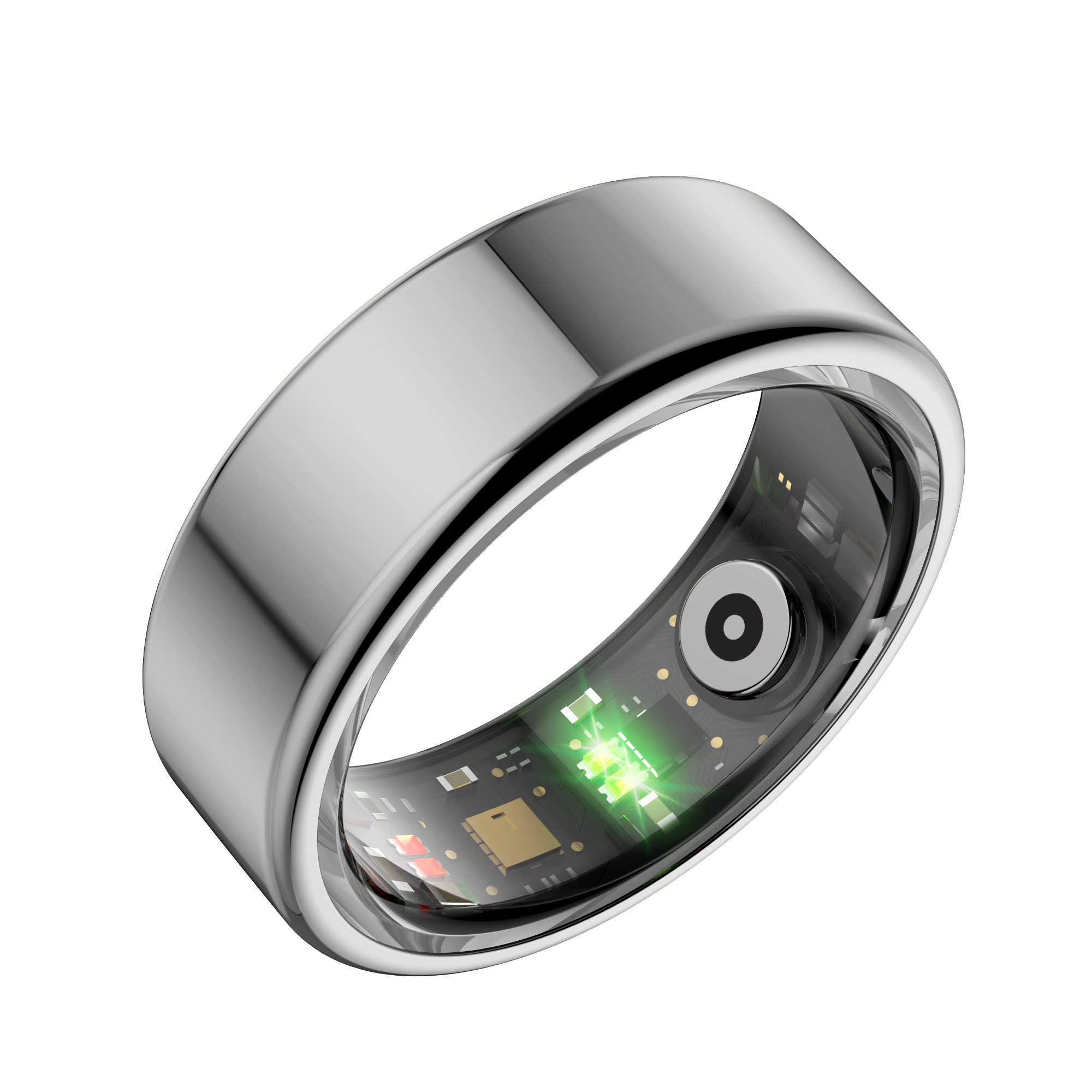
Life Ring offers a screen-free design for continuous health tracking. Equipped with a 3D accelerometer, a dedicated temperature sensor, and an optical sensor, it logs core biological metrics silently throughout the day:
- Heart rate patterns
- Sleep quality and sleep stages
- Daily stress indicators
- Skin temperature shifts
- Step counts and movement
Device Compatibility
Life Ring syncs via Bluetooth to its companion mobile app, available on both Apple iOS and Android devices. It integrates directly with Apple Health and Samsung Health to keep all health records together in one place.
Subscription Model
While several smart ring brands lock long-term data trends behind monthly membership paywalls, Life Ring provides full access with no subscription fees. Buyers pay $99.99 for the ring and retain access to its health metrics and app insights with no recurring subscription cost.
Is Switching From a Smartwatch to a Smart Ring Right for You?
A Smart Ring May Make Sense If You Prefer
- Less screen time and fewer wrist interruptions
- Lightweight comfort for overnight sleep tracking
- Longer gaps between battery charges
- Freedom to wear traditional wristwatches
- A subtle design that looks like jewelry
- Reviewing health reports through a smartphone app
A Smartwatch May Still Make More Sense If You Need
- On-wrist text alerts and call notifications
- A clear visual display for checking the time
- Live workout controls like pace and distance
- Interactive apps directly on the wrist
- Active music management during workouts
- What to Consider Before Making the Switch
Comfort and Ring Fit
A proper fit ensures both daily comfort and accurate data collection. Optical sensors require steady skin contact to record clear signals. Using a sizing kit before buying helps select a size that accounts for natural finger expansion throughout the day.
Battery Requirements
Compare actual manufacturer battery ratings rather than category averages. Look for devices that provide multi-day performance to fit your weekly schedule.
App Experience
Review how the companion application presents daily health trends. An easy-to-read app layout helps turn raw health numbers into simple daily insights.
Features You Actually Use
Focus on core metrics that support personal wellness goals. Paying extra for complex features that go unused creates unnecessary expense.
Notifications and Interaction
Decide whether wrist alerts add value to your daily routine or create unwanted stress. Choosing a screen-free wearable keeps digital notifications off the body entirely.
FAQ Section
1. Why are people switching from smartwatches to smart rings?
People switch to enjoy lightweight sleep comfort, screen-free tracking, longer battery life, and the freedom to wear traditional watches on their wrists.
2. Are smart rings more comfortable than smartwatches for sleep?
Yes, many people find smart rings more comfortable for sleep tracking. The smooth, compact shape avoids the weight, bulk, and tight straps of standard wristwatches.
3. Do smart rings have screens?
Most smart rings do not feature displays. They collect health data quietly and send the information to a companion smartphone app for review.
4. Do smart rings get fewer notifications than smartwatches?
Most screen-free smart rings do not deliver wrist alerts. They allow users to check health trends on their phone when convenient rather than reacting to constant wrist vibrations.
5. Do smart rings have better battery life than smartwatches?
Smart rings generally offer longer battery life than smartwatches because they lack power-hungry displays. Many smart rings operate for 5 to 7 days on a single charge.
6. Can I wear a smart ring with a traditional watch?
Yes, wearing a smart ring leaves the wrist completely free, allowing users to wear traditional timepieces, bracelets, or dress watches on either arm.
7. Are smart rings accurate for heart rate tracking?
Smart rings use optical sensors placed against surface blood vessels in the finger, providing a reliable location for tracking baseline heart rate and wellness trends.
8. Can smart rings track sleep?
Yes, many smart rings can track sleep. They monitor heart rate, movement, and temperature trends throughout the night to provide sleep quality insights inside the app.
Conclusion
It's About the Wearable Experience
Switching from a smartwatch to a smart ring is not about replacing every interactive tool. It is about choosing a comfortable, screen-free design that fits personal daily habits.
Consider What You Want From Your Wearable
If real-time text alerts, visible watch faces, and interactive workout apps matter most, a smartwatch remains a great fit. If sleek comfort, multi-day battery life, and background wellness monitoring are top priorities, a smart ring offers an excellent alternative.
Life Ring as One Option
Life Ring delivers a practical, screen-free solution for daily health tracking. With up to seven days of battery life, Apple Health and Samsung Health compatibility, and no monthly fees, it provides an easy way to monitor wellness trends without adding screen distractions to your day.