


How to Build a Better Sleep Routine With a Smart Ring
Key Takeaways
- Smart rings reveal hidden nightly trends, showing how sleep stages change and how quickly resting heart rate drops.
- Use the first two nights to establish a starting point, introducing a consistent sleep schedule on night two.
- Try one habit at a time, such as evening caffeine, dinner timing, or screen use.
- Review patterns over a full week instead of focusing on a single morning score.
- Build a lasting evening routine around habits that clearly improve physical recovery.
- Smart rings work as general wellness trackers rather than medical tools, so ongoing sleep issues require a doctor.

How Does a Smart Ring Help You Build a Better Sleep Routine?
A smart ring translates nightly body changes into clear, daily metrics. By tracking sleep patterns, resting heart rate, blood oxygen, and stress levels, the device offers an accurate view of overall physical recovery.
The simple 7-day plan below helps optimize rest:
- Two nights to gather a basic baseline.
- Two nights to test individual daily habits.
- Three days to review broader patterns and trends.
View biometric metrics as guidance for daily choices rather than a score to maximize.
The Sleep Metrics Your Smart Ring Shows You
Most smart rings track a core group of recovery signals. Instead of reading detailed charts, tracking four main indicators is enough to create a strong evening routine.
|
Metric |
What It Tells You |
What to Watch For |
|
Sleep patterns |
How your night looked overall |
A steady pattern from night to night |
|
Overnight heart rate |
How quickly your heart rate settles once you’re asleep |
An earlier, lower dip during the night |
|
Blood oxygen |
Oxygen levels in your blood overnight |
Stable readings without repeated dips |
|
Stress level |
How tense your body was during the day |
Lower readings on calmer days |
Life Ring tracks sleep stages, resting pulse, blood oxygen, and stress levels in one mobile dashboard without subscriptions. Personal baselines vary, so compare metrics against personal multi-day averages rather than fixed standard targets.
How to Set Up Your Smart Ring Before Night 1
Proper initial setup helps prevent missing data during the evaluation week:
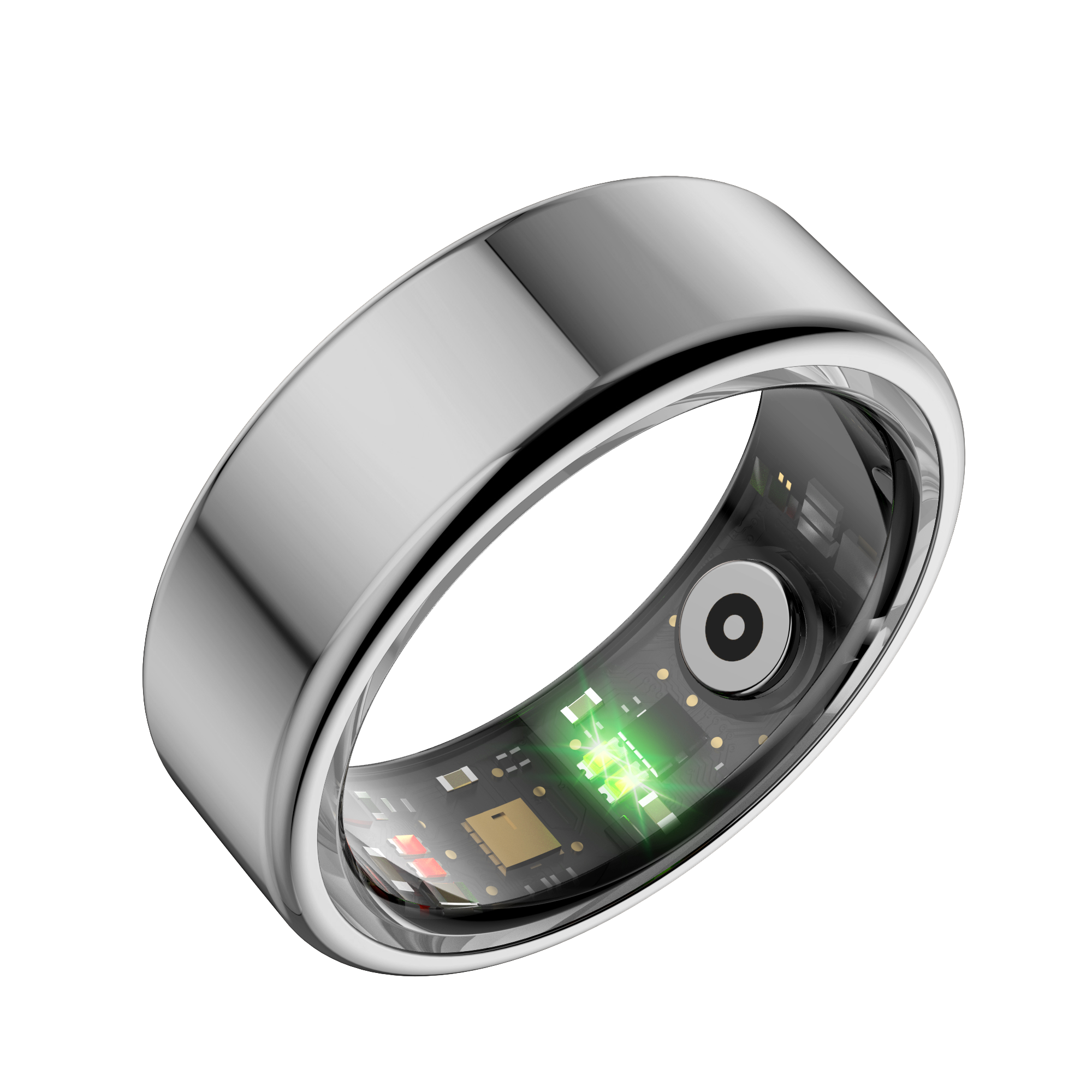
- Select the right size: A proper fit keeps the sensors in place during sleep. Life Ring offers multiple standard sizes in Black, Silver, and Gold finishes.
- Fully charge the device: Attach the ring to its magnetic charger before the first test. A single full charge lasts up to 7 days of continuous use.
- Pair with the app: Connect the ring to iOS or Android using Bluetooth. Water resistance up to 3 feet allows continuous wear while showering.
- Set target sleep times: Choose standard bedtime and wake goals in the mobile app.
- Check data daily: Open the app every morning to review overnight health trends.
Days 1 and 2: Find Your Sleep Baseline
Establishing a starting baseline creates a clear point of comparison for future habit changes. Track evening choices alongside the core metrics listed above.
Night 1: Sleep the Way You Normally Do
Keep standard routines without making any changes. Maintain regular meals, screen use, bedtime, and wake times. Wear the ring continuously overnight to capture an accurate snapshot of typical sleep quality, even if the starting numbers look low.
Night 2: Set a Fixed Bedtime and Wake Time
Change just one detail: schedule consistency. Going to bed and waking up at set times supports body rhythms and steadies sleep cycles. Keep these main hours fixed for the rest of the week.
Days 3 and 4: Test One Habit at a Time
Testing one change at a time ensures clear results. Changing multiple habits at once makes it hard to see which shift influenced nighttime recovery.

Night 3: Move Your Caffeine Cutoff Earlier
Caffeine stays active in the body for hours. It can raise resting heart rate and lower deep sleep quality, even when falling asleep feels easy.
- Stop drinking coffee, tea, and energy drinks at least 8 hours before bed.
- Switch evening drinks to caffeine-free herbal options.
- Review the morning app chart to check if the overnight heart rate dropped earlier in the night.
Night 4: Cut Late Screens and Heavy Meals
Test the effects of late stimulation and heavy digestion while holding bedtime constant:
- Put away phones and tablets 60 minutes before bed.
- Finish dinner 2 to 3 hours before sleeping.
- Complete hard workouts earlier in the afternoon.
- Check morning trends for less night restlessness and fewer sleep interruptions.
Days 5 to 7: Reading Full Patterns
Shift focus from single changes to clear links between daily habits and nightly recovery. A full week of tracking helps separate real trends from single unusual nights.
Looking Beyond Hours Spent in Bed
Time spent in bed does not always equal good sleep. Check if heart rate drops smoothly into a healthy recovery curve. Steady sleep patterns and consistent nighttime heart rate dips are the best signs of true rest.
Connecting Daytime Habits to Nighttime Rest
Compare daily activities with overnight rest by tracking basic routine details:
- Meal timing and food choices.
- Daily movement, steps, and active calories.
- Natural light exposure and evening screen use.
Matching physical activity with night recovery shows why certain evenings lead to lower rest scores.
Avoiding Overreactions to One Bad Night
An occasional poor reading after a late meal, stressful day, or mild cold is normal. Focus on 7-day average trends instead of trying to get perfect numbers every morning. Worrying too much about sleep scores can actually make falling asleep harder.
How to Turn Your Results Into a Long-Term Sleep Routine
A 7-day test provides the base for a healthy sleep routine that works naturally without constant tracking.
Keeping Habits That Shift the Numbers
Keep changes that clearly improve resting heart rate and sleep continuity, and drop changes that show little difference. Turn successful habits into a simple evening routine starting at the same time each night.
Re-Testing During Life Changes
Major schedule changes can alter body rhythms:
- Long-distance travel and time zone changes.
- Job changes and shift work.
- Seasonal shifts in daylight.
- Harder exercise or workout schedules.
Run a short 3-day test whenever weekly sleep averages drift away from normal targets.
Signs Your New Sleep Routine Is Working
Tracking data should match clear increases in daily energy and focus:
- Falling asleep occurs within 15 to 20 minutes of getting into bed.
- Waking occurs naturally near the target time, often before an alarm.
- Energy stays steady through the afternoon.
- Seven-day sleep averages show steady trends with fewer sharp drops.
- Daytime stress scores show improved bodily recovery overall.

When a Smart Ring May Not Be Enough
Smart rings are everyday wellness tools, not medical equipment. Consult a doctor if you experience any of the following symptoms, particularly if they recur:
- Ongoing trouble falling asleep or staying asleep.
- Loud snoring, paused breathing, or choking during rest.
- Constant daytime fatigue despite spending enough time in bed.
- Repeated dips in blood oxygen levels.
- Frequent morning headaches or waking up unrefreshed.
Smart ring data provides useful context for doctors, but it cannot replace formal medical testing.
Pro Tips for Better Sleep With a Smart Ring
How It Started vs. How It’s Going” Sleep Kit
- Optimize the sleep sanctuary: Keep the bedroom dark, cool, and quiet.
- Prioritize morning sunlight: Get direct natural light within 60 minutes of waking to anchor internal body rhythms.
- Limit weekend sleep shifts: Keep weekend wake times within 60 minutes of weekday schedules.
- Control nap duration: Keep daytime rest short and finish before mid-afternoon.
- Automate evening reminders: Set phone bedtime alerts to maintain a steady schedule without relying on willpower.
- Clear mental clutter: Write down tasks or concerns before entering the bedroom.
Final Thoughts: Data-Driven Rest
Better rest comes from small, intentional habit changes tested against real health data.
For reliable tracking without ongoing fees, Life Ring provides continuous monitoring of sleep stages, heart rate changes, blood oxygen levels, and daytime stress.
Featuring a lightweight titanium body, up to 7 days of battery life, and zero subscription costs, Life Ring makes it easy to track your baseline rest and use that data to guide your evening routine.
FAQ Section
1. How does a smart ring track sleep?
Smart rings use light sensors and motion detectors. The light sensor tracks changes in blood flow through the finger, while the motion detector measures movement to track sleep stages.
2. How accurate is a smart ring for sleep tracking?
Smart rings provide strong accuracy for measuring sleep length, heart rate, and movement. Finger blood vessels give clear signals, helping rings match the performance of larger wrist trackers.
3. Why is my smart ring not tracking my sleep?
Tracking can stop if the ring fits too loosely, breaking sensor contact with skin. A dead battery or sensors that lose contact with your skin can also cause missing data overnight.
4. Is a smart ring better than a smartwatch for sleep tracking?
Smart rings offer a smaller, lighter option for bedtime wear. Rings avoid the bulk, screen light, and wrist irritation of watches while gathering similar body metrics.
5. Which finger should you wear a smart ring on for sleep tracking?
The index and middle fingers offer strong blood flow and stable surfaces for sensors. Choosing a finger that fits snugly and comfortably prevents the device from twisting overnight.