


How to Find the Right Smart Ring Size for a Comfortable Fit
Key Takeaways
- Use official sizing guides from the manufacturer instead of guessing from standard ring sizes.
- A good fit feels secure without pinching or hurting the finger joint.
- Finger size changes during the day, so testing the fit in both the morning and evening ensures accuracy.
- Constant skin contact with the sensors allows for reliable health tracking without the ring turning loose.
- When choosing between two sizes, test both for a full day and pick the larger size if swelling makes the ring tight.
How Should a Smart Ring Fit?
A smart ring should sit snug around the base of the chosen finger. It should slide over the knuckle with light pressure, then sit flat on the skin without spinning or falling off easily.
Taking the ring off each day should take a gentle twist instead of hard pulling. A properly placed ring keeps its inner sensors pressed flat against the skin, which helps gather clear health tracking data and keeps the ring comfortable all day.
Why Smart Ring Sizing Is Different From Regular Jewelry
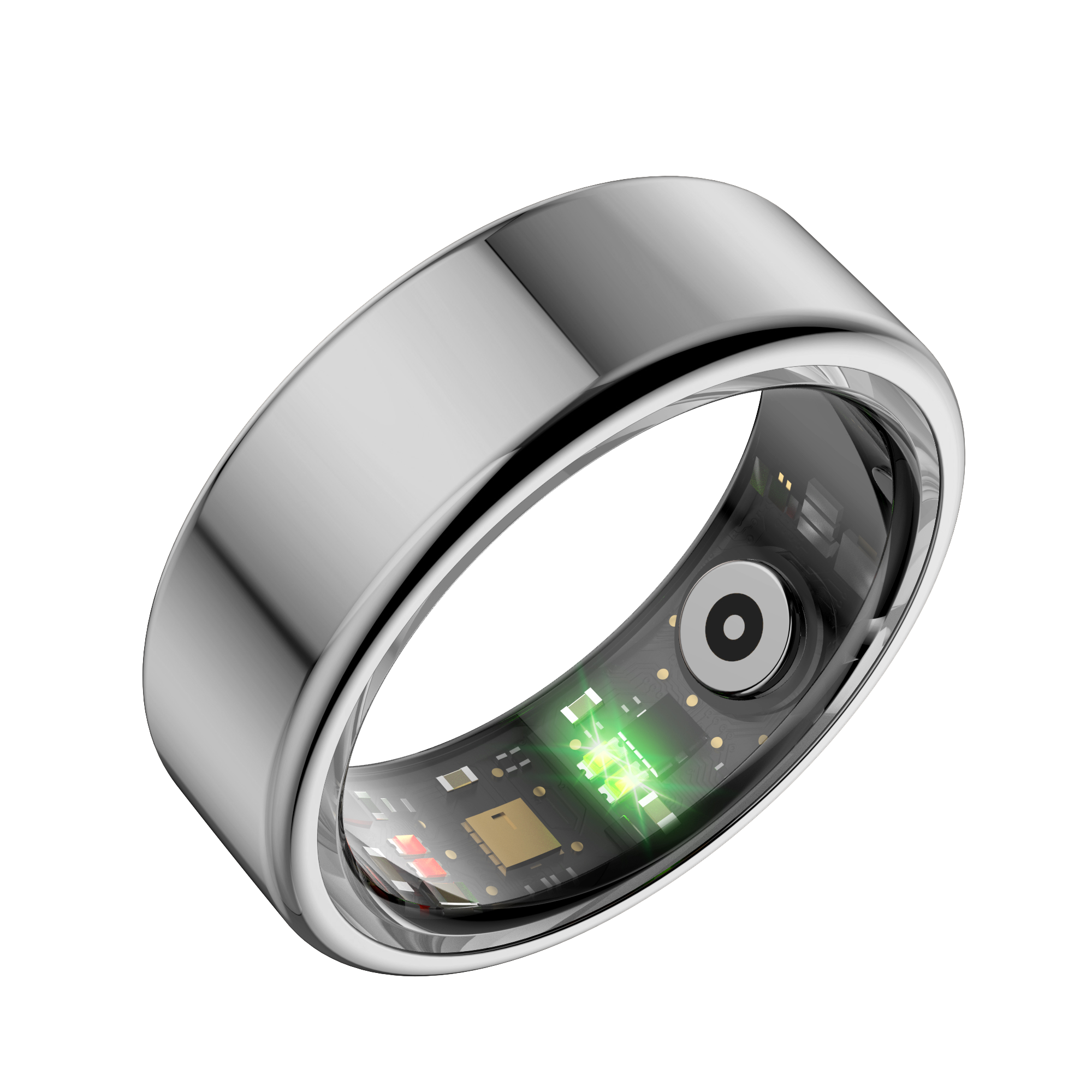
Regular metal rings have smooth, flat inner sides. In contrast, smart rings hold small circuit boards, batteries, and raised sensor bumps along the inner surface.
These inner sensor bumps take up extra room inside the band. Because of these parts, standard ring sizes rarely match smart ring sizes directly.

Guessing size based on regular jewelry often leads to a ring that feels too tight or sits too loose to track health data. Checking official sizing guides before buying helps you find a proper fit for the sensors.
How to Find the Right Smart Ring Size Step by Step
1. Use the Brand’s Sizing Kit
Each maker shapes the inside of its ring differently. Sizing kits from brands like Oura or Ultrahuman use plastic samples made for their own products, so these kits do not work for other ring brands.
Life Ring offers a printable ring size guide and video guide to help measure finger size accurately before buying. Using tools from the specific brand prevents sizing mistakes from the start.
2. Pick the Best Finger
Smart rings usually sit on the index, middle, or ring finger. The index and middle fingers often give the best skin contact for sensors, but any finger with a stable fit works well.
Fingers on the dominant hand are often slightly larger. Measuring the exact finger chosen for daily wear is better than assuming both hands have the same size.
3. Check Fit and Sensor Placement
When the sample ring sits at the base of the finger, check for steady contact with the skin. The band should feel secure without pinching or hurting.
Turn the hand to make sure the sample ring stays in place. Weak skin contact leads to wrong readings in health trackers, so a loose ring that spins will disrupt heart rate and sleep tracking.

4. Wear the Sample Ring Throughout the Day
Fingers naturally change size with room temperature, movement, and water intake. Hands often swell slightly in the morning after sleep, while cold air can make fingers shrink.
Wearing a sample ring for a full day and overnight shows how it handles natural swelling. A test that lasts only two minutes in a warm room can lead to picking the wrong size.
5. Test Ring Removal and Daily Comfort
Try taking the sample ring off after washing hands or exercising. Taking it off should require a slight twist over the knuckle rather than hard pulling.
Do normal daily tasks like typing, driving, or carrying bags. If the band presses uncomfortably against neighboring fingers during simple tasks, trying the next size up is best.
What If You Are Between Smart Ring Sizes?
Most smart rings come in whole sizes without half-size options. Falling directly between two sizes requires testing both options over an extended trial period before finalizing a purchase.
Selecting a smaller size by default is risky if the band pinches or resists removal. A snug fit remains essential for sensor accuracy, but a band that cuts off circulation or causes pain during warm weather will quickly end up unused.
When a smaller size feels uncomfortably tight in the morning or during light workouts, choosing the larger size provides safer and more sustainable long-term wear.
Common Smart Ring Sizing Mistakes to Avoid
- Ordering based on standard jewelry sizes: Assuming a traditional metal band size matches a sensor-lined smart ring leads to poor fit.
- Testing for only a few minutes: Quick fittings overlook the natural hand swelling that occurs overnight or after meals.
- Overlooking finger temperature shifts: Cold hands give a falsely loose reading, while warm environments expand finger width.
- Accepting a freely spinning ring: Excess room allows sensor domes to lift away from skin, breaking data collection loops.
- Tolerating painful tightness: A ring should never turn fingertips pale, cause throbbing, or trap moisture painfully against tissue.
- Ignoring sensor positioning instructions: Placing sensor nodes on the top side of the finger rather than along the palm side leads to broken metrics.

How to Keep Your Smart Ring Comfortable Every Day
Monitor Comfort Across Varied Activities
A smart ring should feel easy to wear while working, exercising, or sleeping. Pay attention to how it feels when holding heavy tools or workout gear, since pressure against hard items can pinch skin.
Keep the Band Clean and Dry
Trapped water and soap under the band can cause skin irritation. Taking the device off for a moment to dry the skin and the inner ring surface after washing hands helps protect delicate skin.
Reassess Fit Seasonally
Changes in weather, activity levels, and weight can alter finger size over time. When a ring feels loose in cold winter months or tight during summer heat, moving the device to a different finger helps maintain a good fit and accurate tracking.
Life Ring’s Lightweight Approach
Life Ring improves daily comfort by using a light titanium frame made for all-day wear. Weighing very little, its smooth inner surface protects skin while keeping internal sensors close to the body without feeling heavy.
Frequently Asked Questions
1. Should a smart ring feel tight or loose?
A smart ring should feel snug without being tight. It must stay firmly in place without spinning, while still sliding over the knuckle with a slight twist.
2. Can I use my regular jewelry size for a smart ring?
No. Smart rings house raised biometric sensors along the inner rim that reduce internal space. Using the manufacturer’s dedicated sizing tools prevents ordering the wrong size.
3. Which finger is best for wearing a smart ring?
The index and middle fingers are popular options because they offer stable tissue contact for sensors. However, wearing the ring on any finger that provides a secure, comfortable fit ensures reliable performance.
4. Should I wear a smart ring sizer overnight?
Yes. Wearing a sizer overnight is helpful because hands naturally swell during sleep. Testing overnight verifies whether the chosen size remains comfortable when fingers expand.
5. What should I do if I am between two smart ring sizes?
If the smaller size causes pinching, throbbing, or difficult removal after sleep, choose the larger size. Alternatively, try the ring on an alternate finger that matches the size more naturally.
6. Can a loose smart ring affect tracking?
Yes. Optical sensors require continuous contact with surface blood vessels. A loose ring that twists freely will lose contact with skin, leading to dropped heart rate, oxygen, and sleep data.
7. How do I know if my smart ring is too tight?
A smart ring is too tight if it creates painful pressure marks, tingles, causes numbness, or cannot slide over the knuckle without soap or water.
8. Does Life Ring have its own sizing guide?
Yes. Life Ring provides an official sizing chart, printable guide, and video walkthrough directly on the Life Ring website to help buyers measure finger size accurately before purchase.
Choose Comfort Before You Order
Reliable health tracking starts with a proper fit. Following brand sizing instructions helps avoid returns and incomplete health data.
Testing how a ring feels during daily activities, warm weather, and sleep ensures long-term comfort. Reviewing the official Life Ring Size Guide helps select the right size before placing an order.