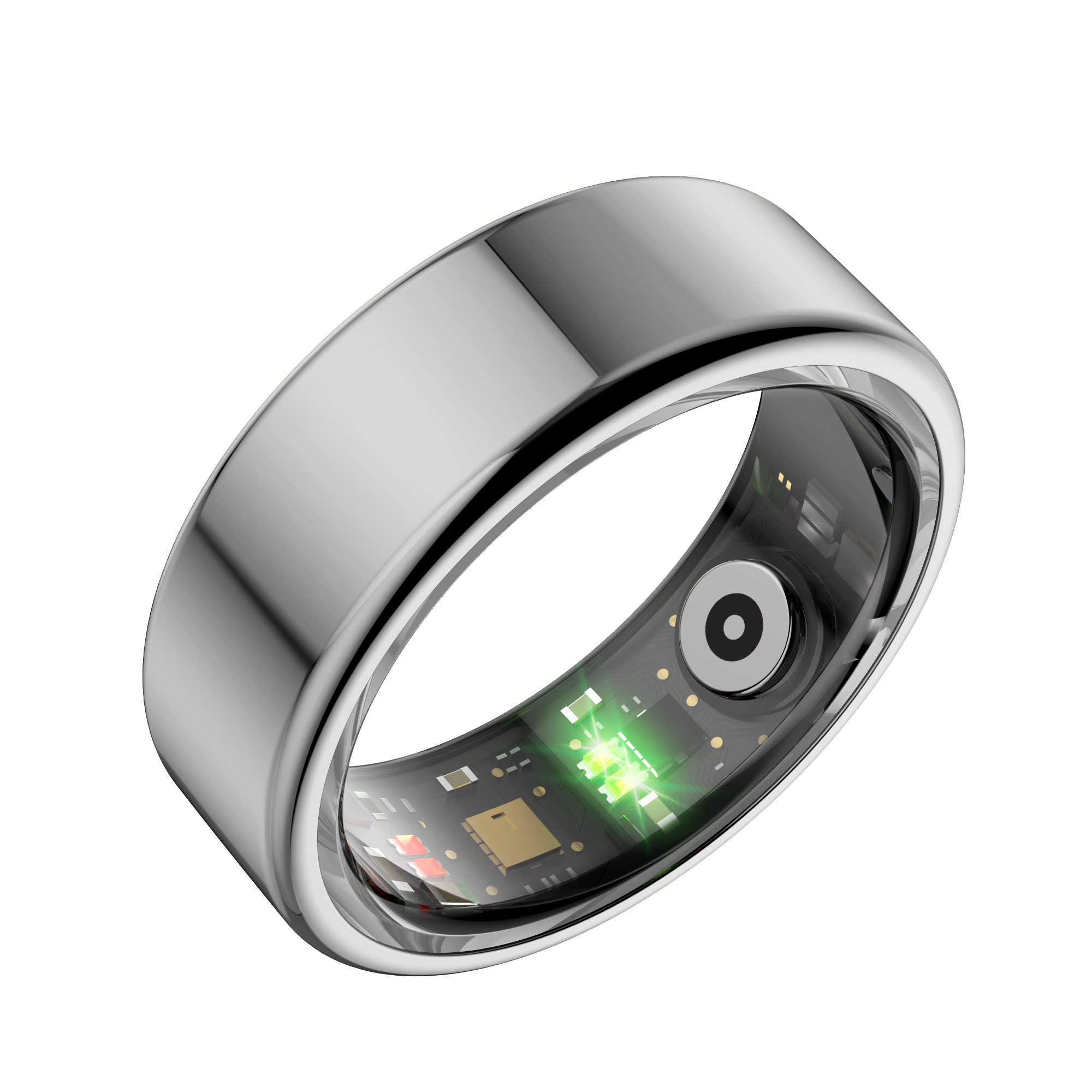


Are Smart Rings Worth It? A Deep Dive Into Their Capabilities
Share
Summary:
- Smart rings specialize in sleep tracking, recovery monitoring, and continuous biometric data.
- They are best for discreet, 24/7 health tracking without screens or constant notifications.
- Battery life typically lasts 4 to 10 days, longer than most smartwatches.
- They are not ideal for detailed GPS workouts or real-time fitness metrics.
- Many brands require subscriptions for advanced insights and long-term data access.
- Smart rings are worth it for wellness-focused users, but not a full replacement for a smartwatch.
Wearable technology has evolved rapidly over the past decade. What began with bulky fitness bands and smartwatches has shifted toward compact, minimalist devices worn on the finger.
Smart rings now offer advanced health tracking in a compact, discreet form while remaining nearly invisible. From sleep analysis to stress and recovery monitoring, their capabilities continue to expand with each generation.
But innovation alone does not guarantee value. Are smart rings truly worth the investment today? This deep dive examines their real-world capabilities, trade-offs, and ideal users so you can decide with clarity.
What Do Modern Smart Rings Actually Do?
Smart rings focus on biometric tracking rather than connectivity. Their strength lies in continuous, passive monitoring. Here is what modern smart rings are capable of.
24/7 Health and Wellness Monitoring
This is the primary function.
Most smart rings track:
Heart rate
Heart rate variability
Skin temperature
Blood oxygen levels
Respiratory rate
Because the finger has strong blood flow, resting heart rate and HRV readings can be highly consistent. These metrics help transform your daily lifestyle with 24/7 monitoring.
Detailed Sleep Analysis
Sleep tracking is often the flagship feature.
Smart rings provide:
Sleep stages
Sleep duration
Sleep quality scores
Nighttime heart rate patterns
Long-term sleep trends
Their lightweight, skin-friendly design makes them ideal for overnight wear. Many users experience better comfort and accuracy during sleep compared to wrist-based devices.
Activity and Recovery Tracking
Smart rings track general activity rather than advanced workout metrics.
They monitor:
Steps
Calories burned
Movement trends
More importantly, many models are optimised for fitness and recovery. By combining biometrics into readiness scores, they help you achieve your fitness goals with tailored insights.
AI-Driven Insights and Smart Features
Raw data alone has limited value. Modern smart rings use algorithms to turn metrics into insights.
Many models offer:
Personalized health trends
Recovery recommendations
Stress indicators
Habit suggestions
Some models also include secondary features such as NFC payments or subtle vibration alerts. However, interaction primarily happens within the companion app rather than on the device itself.
Smart Ring vs Smartwatch: The Essential Trade-Offs
Smart rings and smartwatches are often compared, but they are built for different priorities. Understanding the trade-offs helps determine real value.
Design and Comfort
Smart rings are lightweight, discreet, and designed for 24/7 wear. Their minimalist form makes them especially comfortable for sleep tracking.
Smartwatches are larger and more visible. While they offer more features, they can feel intrusive at night or during extended wear. If comfort and subtlety matter most, the ring has the advantage.
Battery Life
Battery efficiency is one of the strongest advantages of smart rings.
Most smart rings last between 4 to 10 days per charge thanks to long battery life and efficient power management. In contrast, smartwatches typically last 1 to 2 days.
Data Interaction
Smart rings collect data passively and display insights in the app.
Smartwatches provide live metrics and notifications. If you are still unsure, this guide on choosing between a smart ring and a smartwatch breaks down the differences in depth.
Activity Tracking Depth
Smart rings focus on general activity and recovery analysis. They are optimized for wellness trends rather than performance tracking.
Smartwatches offer:
Built-in GPS
Detailed workout metrics
Sport-specific modes
Real-time pace and distance tracking
For serious athletes, watches provide more granular control.
The Final Verdict: Who Are Smart Rings Actually For?
Smart rings are not designed to replace smartwatches. They serve a different purpose. They are worth it for users who prioritize passive, continuous health tracking over interactive features.
Smart Rings Are Worth It If You:
Want discreet, screen-free monitoring
Care about sleep quality and recovery trends
Prefer long battery life with fewer charging interruptions
Value comfort for 24/7 wear
Like reviewing insights inside a smartphone app
Smart rings excel at consistent data collection, especially for sleep and heart rate variability tracking.
Smart Rings May Not Be the Best Fit If You:
Need a standalone device for calls or notifications
Rely on live workout metrics with GPS
Want apps and real-time data on your wrist
Dislike subscription-based health platforms
They focus on trends and long-term insights rather than active engagement during workouts.
Conclusion:
Smart rings are powerful, specialized tools. They are not replacements for smartwatches.
Their real strength lies in comfort, long battery life, and deep biometric trend analysis. If you are ready to select the perfect smart ring for your lifestyle, understanding your priorities is essential.
Frequently Asked Questions (FAQs)
1. Are smart rings accurate?
Smart rings are reliable for tracking resting heart rate, heart rate variability, and sleep trends. They are not medical devices and should not be used for diagnosis.
2. Are smart rings better than smartwatches?
Smart rings are better for discreet, continuous health tracking. Smartwatches are better for real-time workouts, GPS tracking, and notifications.
3. How long does a smart ring battery last?
Most smart rings last 4 to 10 days per charge, depending on usage and enabled sensors.
4. Do smart rings require a subscription?
Many brands require a monthly subscription for advanced insights and long-term data tracking. Always check the total ownership cost.
5. Can smart rings track workouts?
Smart rings track general activity like steps and calories. They are not ideal for detailed workout metrics or GPS tracking.
6. Are smart rings worth it in 2026?
Smart rings are worth it for users focused on sleep, recovery, and long-term wellness trends. They are less suitable for users who need real-time interaction or advanced fitness tracking.